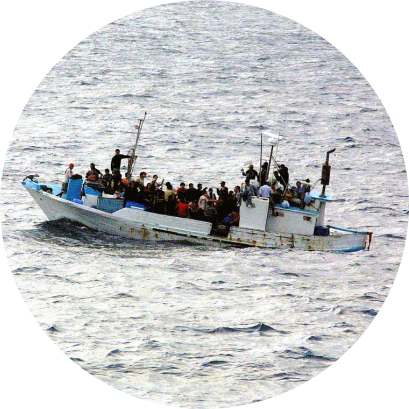
For nearly 30 years, Fondation Orient-Occident (FOO) has been a leading force in the field of migration and refugee integration in Morocco, building strong expertise through continuous fieldwork. Its commitment to human rights—especially those of migrants and refugees—has led to impactful initiatives that helped shape national policy. Until 2006, sub-Saharan migration to Morocco was a relatively new trend. As arrivals increased, the Foundation, along with other civil society actors, recognized the urgent need to document migrants’ realities, share knowledge, and advocate for systemic change. These efforts contributed to the landmark 2013 adoption of a new national migration policy, marking a major shift in the country’s migration governance. Since 2007, FOO has implemented numerous field projects in partnership with the EU, international development agencies, IOM, UNHCR, and the Moroccan government. Across its network of centers, the Foundation provides psychosocial support, education, vocational training, and intercultural activities.
It works with vulnerable groups—including unaccompanied minors, women, LGBTIQ+ individuals, and survivors of violence—while also supporting voluntary return and reintegration programs. Projects on health (with Médecins Sans Frontières) and human trafficking highlight its comprehensive approach. FOO is also active in border regions, providing essential aid where it is most needed. Always proactive in anticipating the most urgent issues, FOO adapts its project agenda to emerging crises—such as in 2020, when it swiftly launched the SOS Migrants initiative, helping thousands of people in migratory situations during the COVID-19 pandemic. Beyond its fieldwork, the Foundation is a vocal advocate on national and global stages—organizing conferences, publishing research, and participating in platforms such as the World Economic Forum. Through its work, FOO continues to challenge narratives, shape policy, and restore dignity to those too often left at the margins.
The first step of my journey quickly turned into a voyage of a thousand miles—through Nigeria, Niger, and Algeria—until I finally arrived in Morocco, where I am now. The passage through Algeria was one of the most harrowing experiences of my life. I spent two weeks in the Sahara Desert, desperately searching for a way out. The severe lack of water and food drained me, and the scorching heat—reaching nearly 50°C—tormented me to the brink of collapse, leaving me with nothing but a fragile thread of hope. In that desert, I nearly surrendered my existence. I owe my survival to the spirit of my mother, my heart, my soul and my everything for guiding and protecting me through those days.

South - South Migration
Over time, the work of the Fondation Orient-Occident (FOO) has evolved in response to the changing migrationscape in Morocco. While once considered primarily a country of transit, Morocco has increasingly become a country of destination, especially due to tightened European border policies. Today, it hosts significant numbers of migrants, mainly from sub-Saharan Africa and the Middle East, including asylum seekers and refugees. This shift has brought the challenge of integration to the forefront of national concerns.
In this context, the Fondation Orient-Occident has developed an original South-South approach to migration, rooted in nearly three decades of experience. Through its socio-cultural and professional training centres and field projects, the Foundation has established a comprehensive model of support aimed at promoting long-term integration. This model is based on a holistic vision of the individual, recognizing that true inclusion requires a path that touches all aspects of life: from psychosocial assistance, education, and vocational training to legal support, health orientation, and awareness-raising activities.
The Foundation works with a wide range of people in migration—including refugees, asylum seekers, and migrants in vulnerable situations. Special attention is given to fragile categories such as unaccompanied minors, single women, people with disabilities, and others in need of tailored support. In addition to direct services, the FOO refers migrants to a wider network of specialized institutions, while also training these organizations to improve the effectiveness and impact of their own migrant-oriented services.
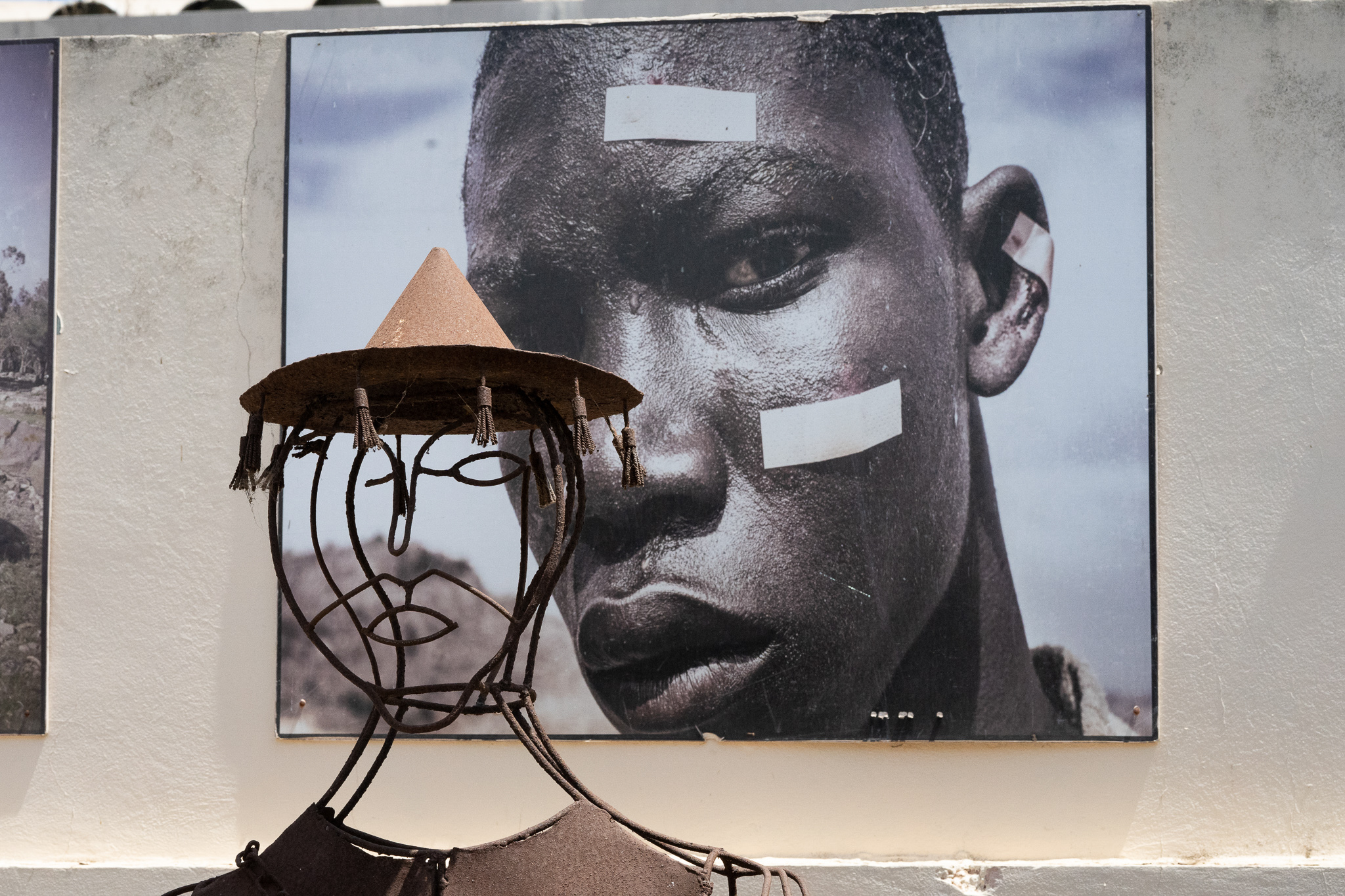
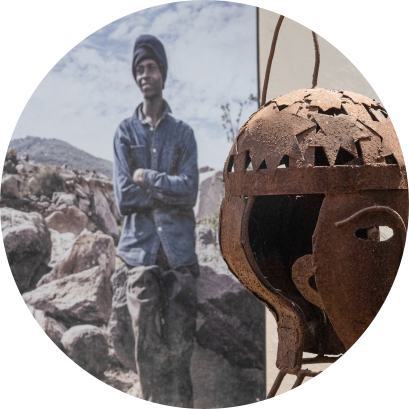
Art and culture lie at the heart of the Foundation’s approach. Interculturality is woven through all of its projects, not only as a tool for integration but as a means to combat racism and foster mutual understanding. Culture is seen as a driver of inclusion, a source of enrichment for host communities, and a potential contributor to economic development.
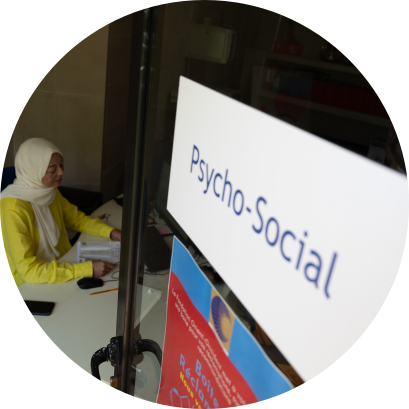
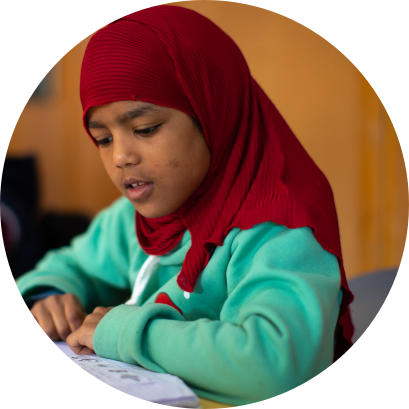
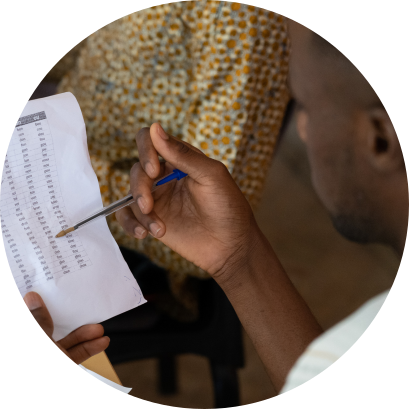
Psycho-social support
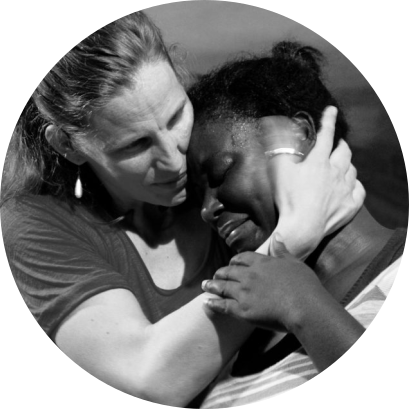
Human traffick
Health
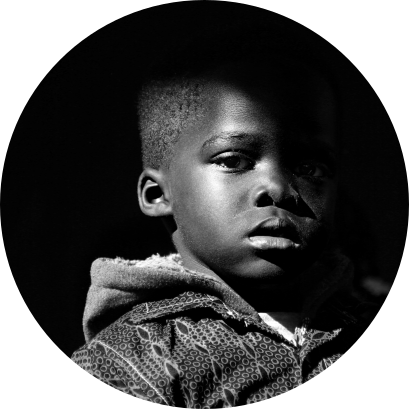
Vulnerable groups
Education
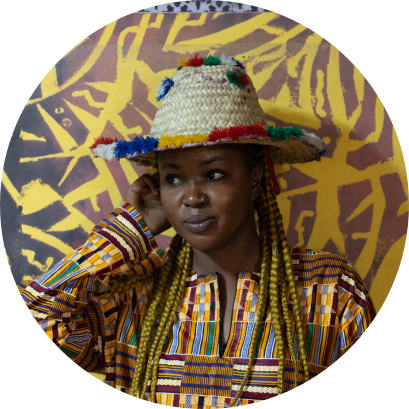
Interculturality
Professional training

Awareness raising and advocacy
Research
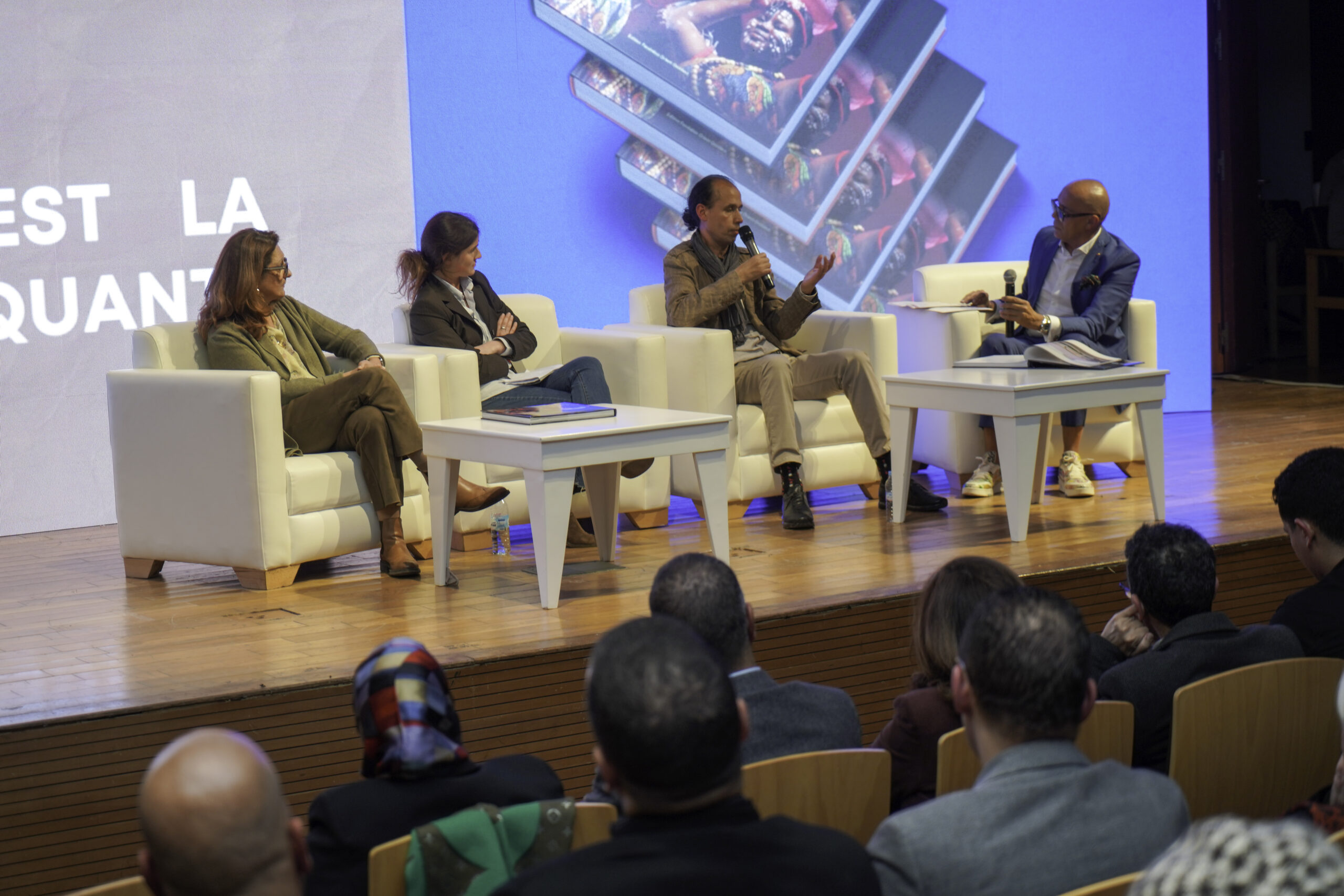
Parallel to its work on the ground, Fondation Orient-Occident has consistently championed research and knowledge production. Over the years, it has become a key point of reference for journalists, academics, and private sector researchers seeking insight into migration, refugee integration, and community development in Morocco and beyond. The Foundation recently published Migration, a powerful book offering fresh perspectives on migration dynamics in Morocco, the role of civil society, and transcontinental migration routes across Africa and Europe. Building on this momentum, the Foundation has now launched a new research initiative focused on community development and irregular Moroccan migration to Europe. In addition, the creation of an internal research centre marks a significant step forward, aiming to strengthen the Foundation’s role in generating data-driven understanding of migration in and from Morocco.
Nord South - South Migration
Morocco is not only a country of transit and destination for people arriving from sub-Saharan Africa and the MENA region—it has also long been a country of emigration. This dual reality defines Morocco's migration landscape: both inward and outward flows shape the nation's social and political fabric. Fondation Orient-Occident has always addressed migration in Morocco by embracing this complex, twofold dynamic. In addition to its pioneering South-South migration approach, the Foundation has also developed significant expertise in North-South migration. Over time, it has launched a number of projects focused on circular migration, voluntary return, and the prevention of irregular migration—whether involving Moroccans or people from diverse cultural backgrounds.
The Foundation provides orientation, education, and vocational training to beneficiaries engaged in circular migration between Morocco and European countries. It also supports Moroccan nationals who, after years—often undocumented—in Europe, have chosen to return home through voluntary return programs carried out in collaboration with Caritas International. FOO assists these returnees in their reintegration journey, helping them regain stability and autonomy in Morocco through training, personalized support, and tools to launch sustainable economic projects. In parallel, the Foundation runs awareness campaigns and storytelling initiatives aimed at informing communities—especially youth—about the risks of irregular migration, using real-life testimonies to foster informed choices and alternative paths.
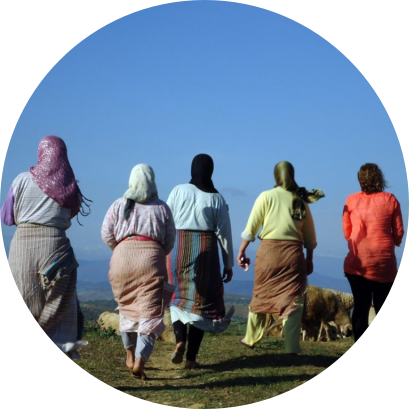
Circular migration
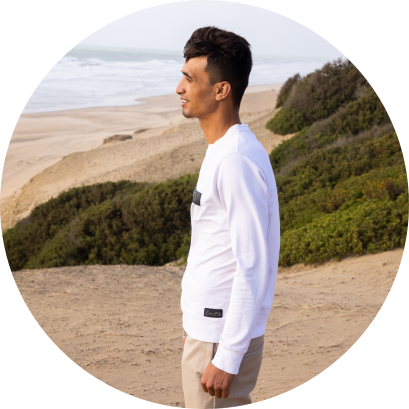
Voluntary return