

Over the past three decades, Fondation Orient-Occident has built deep-rooted expertise in the field of community development, working alongside international partners and drawing inspiration from successful global models such as Tostan International in Senegal. Since opening its first center in Rabat in 2003—followed by centers in Oujda (2004) and the Sidi Moumen neighborhood of Casablanca (2006)—the Foundation has prioritized access to education, vocational training, and opportunity for Morocco’s most underserved populations.
From empowering women engaged in circular migration to launching hospitality-focused training centers in Larache and Safi, FOO has continued to expand its impact across multiple sectors. It has also played a pioneering role in advocating for children’s rights—particularly in combatting the widespread exploitation of young domestic workers ("petites bonnes")—and has developed initiatives focused on sustainable water management, health, and employment. Guided by a holistic, participatory approach, Fondation Orient-Occident co-creates solutions with local communities, helping them address their challenges and build more resilient, inclusive futures.
Children's Rights
Child labor remains a significant challenge in Morocco, particularly in rural areas where poverty and limited access to education persist. Children under the age of 15 are often exposed to dangerous and exploitative working conditions that threaten their physical, psychological, and emotional development. Among the most concerning forms is the widespread exploitation of young girls employed as domestic workers—known as petites bonnes. A 2009–2010 national study estimated that between 60,000 and 80,000 girls under 15 were working in households under conditions that closely resemble modern slavery. These girls often endure long hours, physical and sexual abuse, lack of medical care, severe isolation, and negligible or unpaid wages. Such exploitation not only violates Moroccan labor law but also severely limits these children’s futures, exposing them to early marriage, trafficking, and lifelong poverty.
In response to this critical issue, Fondation Orient-Occident (FOO) joined forces with other leading organizations—including INSAF, Amnesty International, and AMDH—to form the Collective for the Eradication of Child Domestic Labor in 2009. This coalition, now composed of over 50 associations, aims to ban the employment of girls under 15, advocate for stronger legal protections, and raise awareness throughout Moroccan society. In 2012, FOO launched a dedicated project to strengthen civil society’s ability to combat this phenomenon, focusing on community-based action in its centers in Rabat, Oujda, Casablanca, and a pilot project in Safi. The initiative combined legal advocacy, educational reintegration for at-risk girls, and support for vulnerable families. Through policy recommendations, public campaigns, and national forums, the Foundation played a key role in advancing children’s rights and advocating for systemic change to end this deeply rooted form of exploitation.
Ongoing Projects

SEMAFORO
POVERTY STOPLIGHT
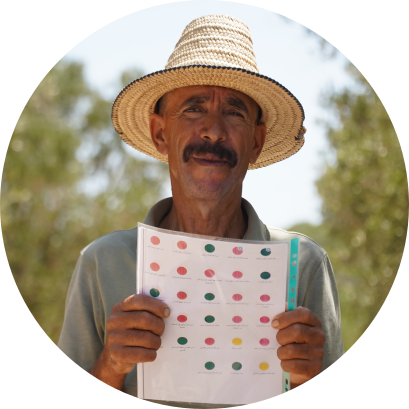
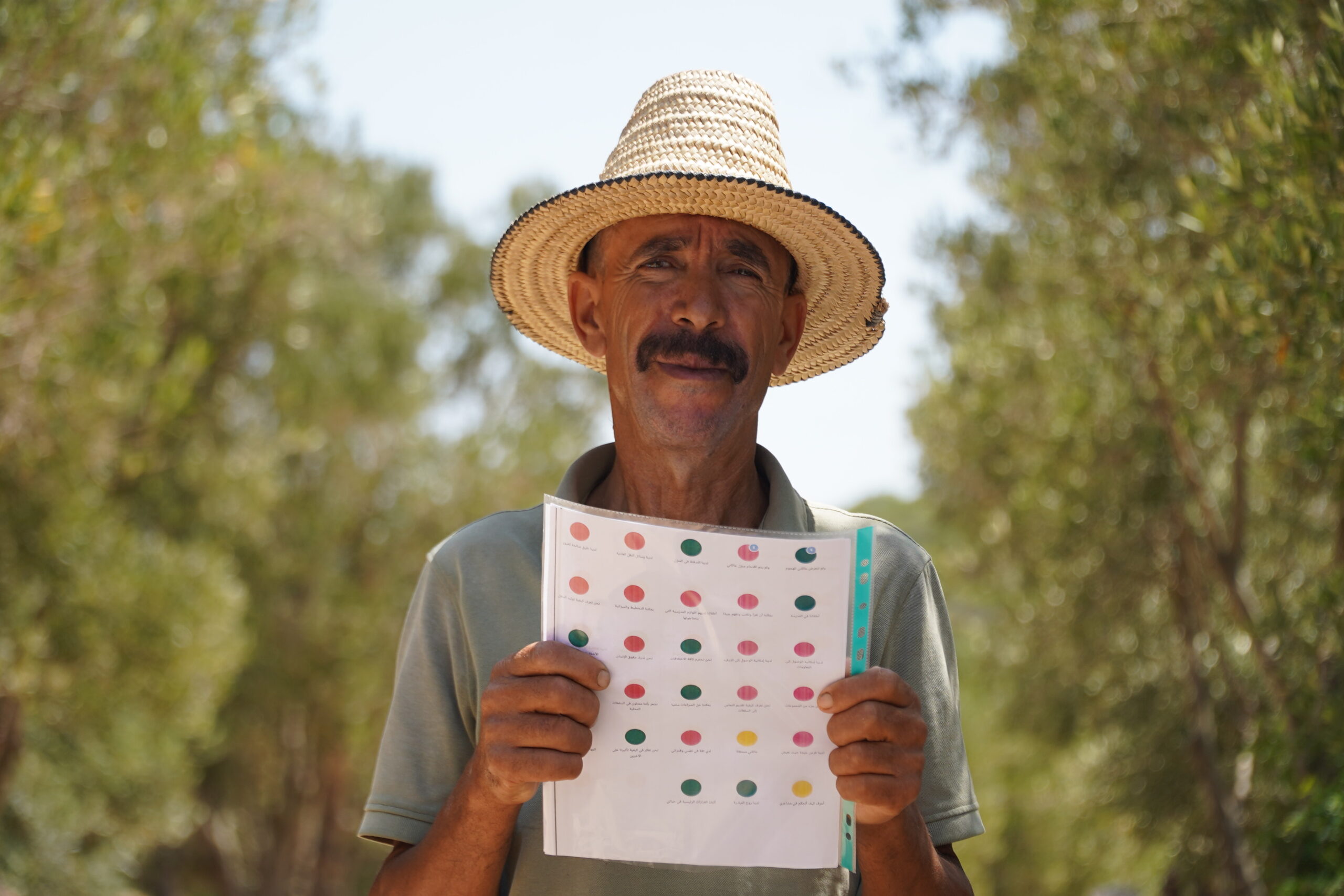
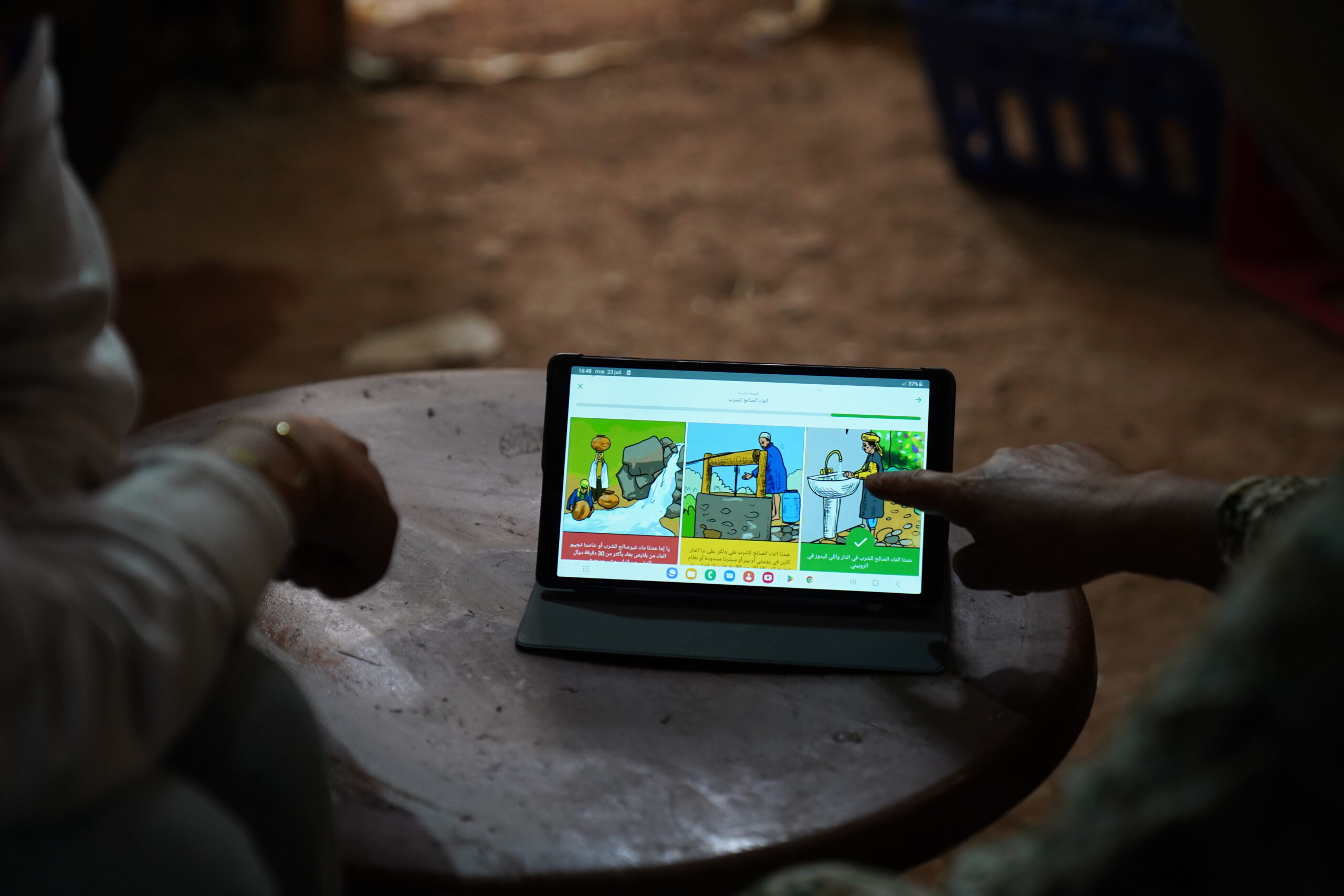
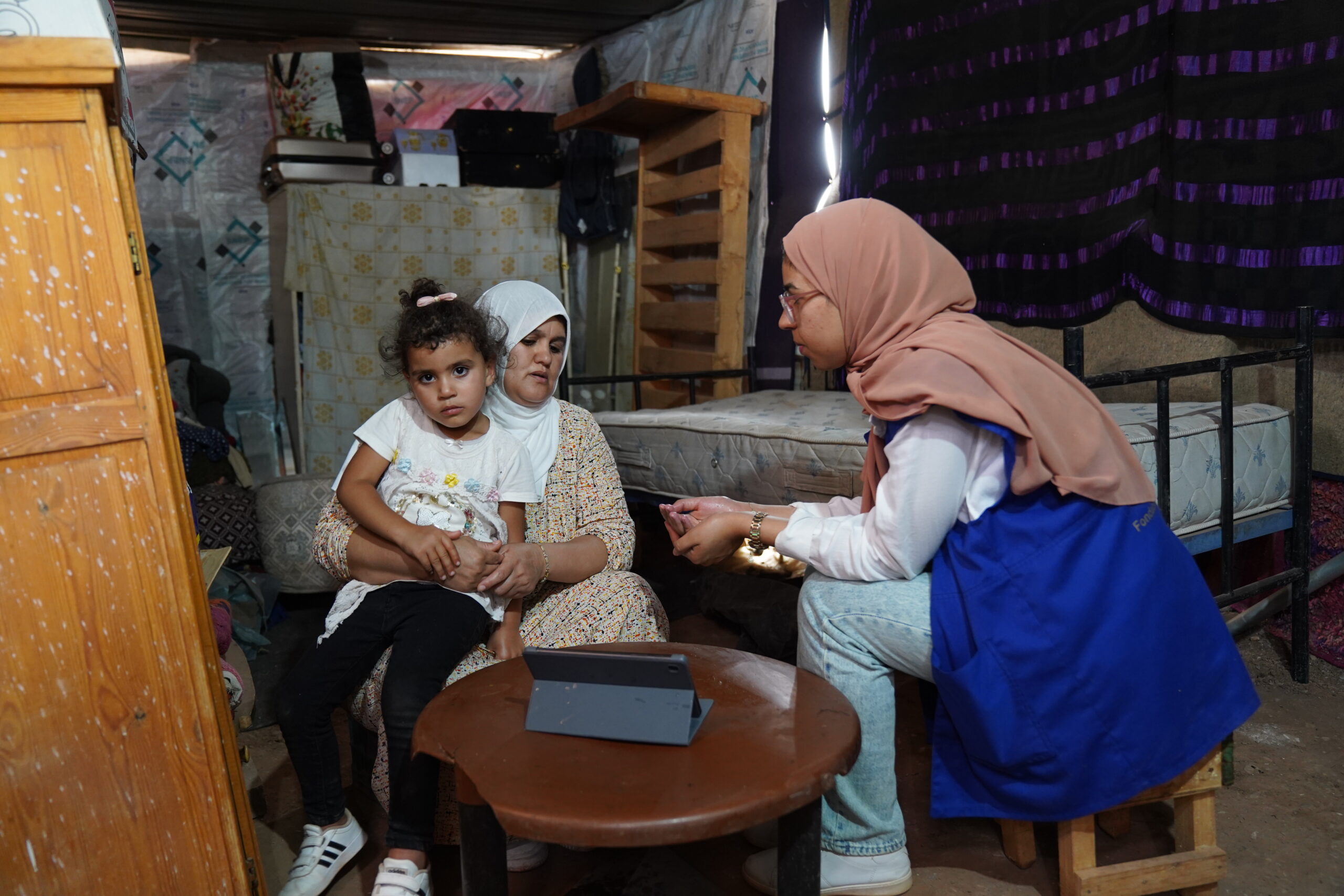
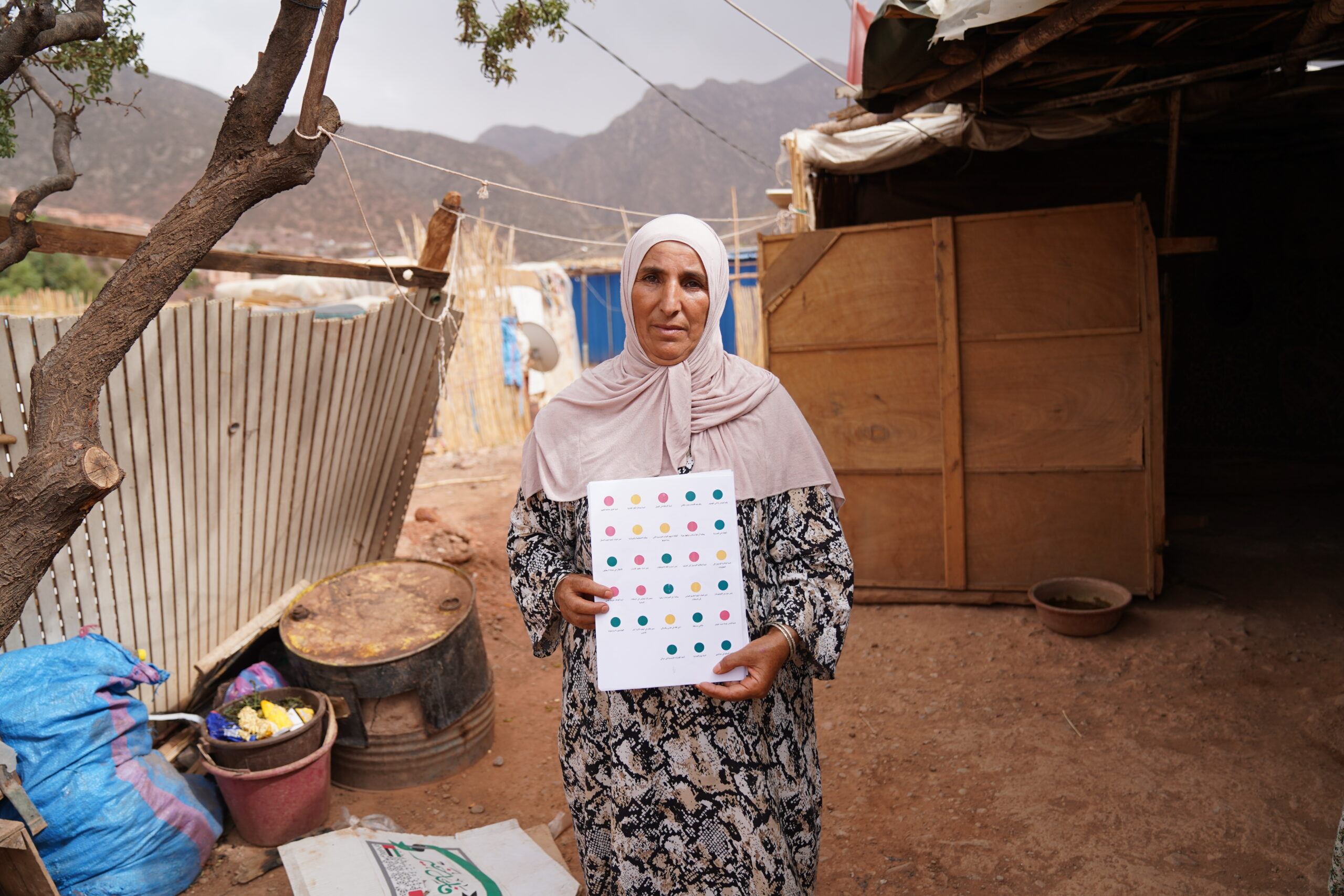
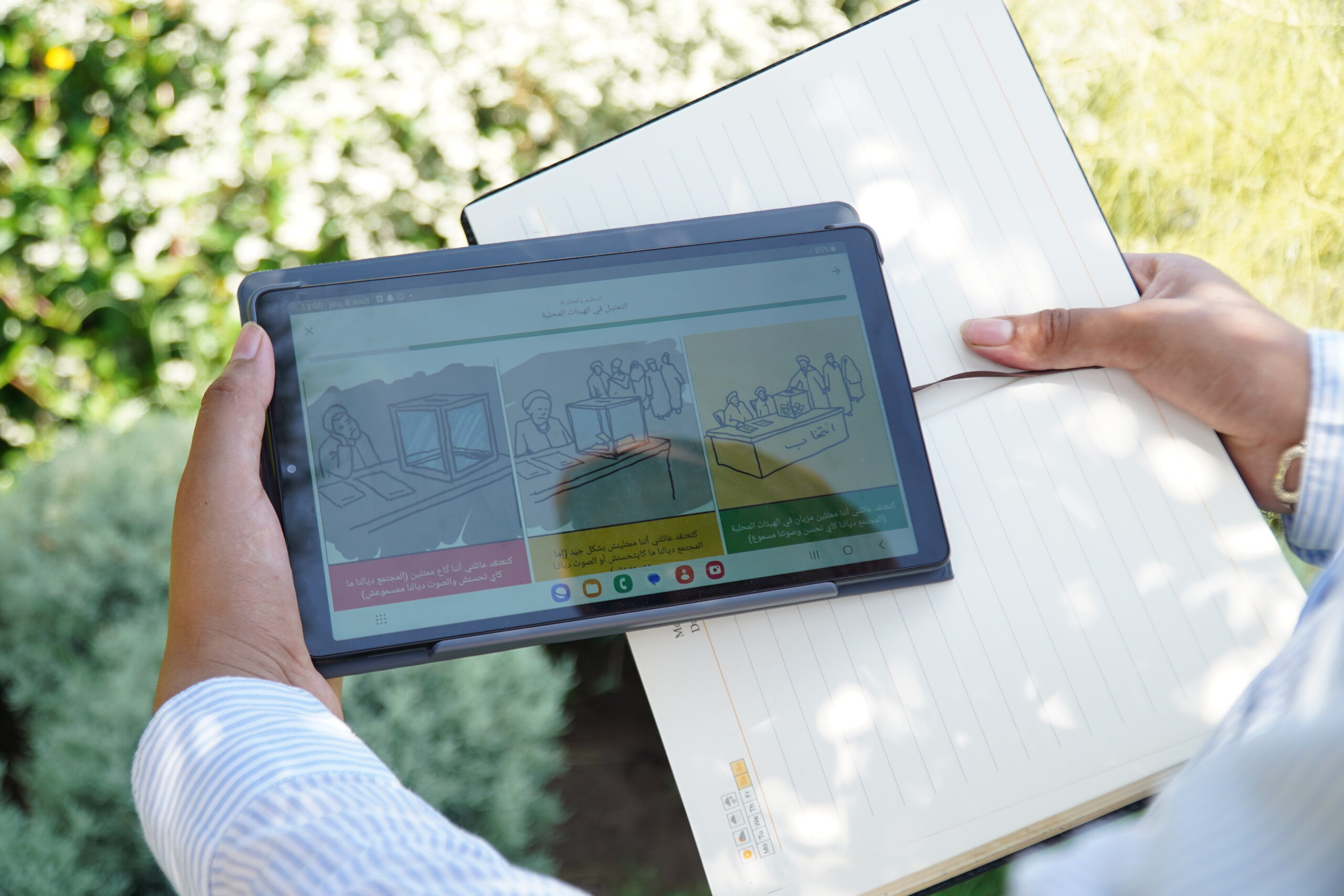
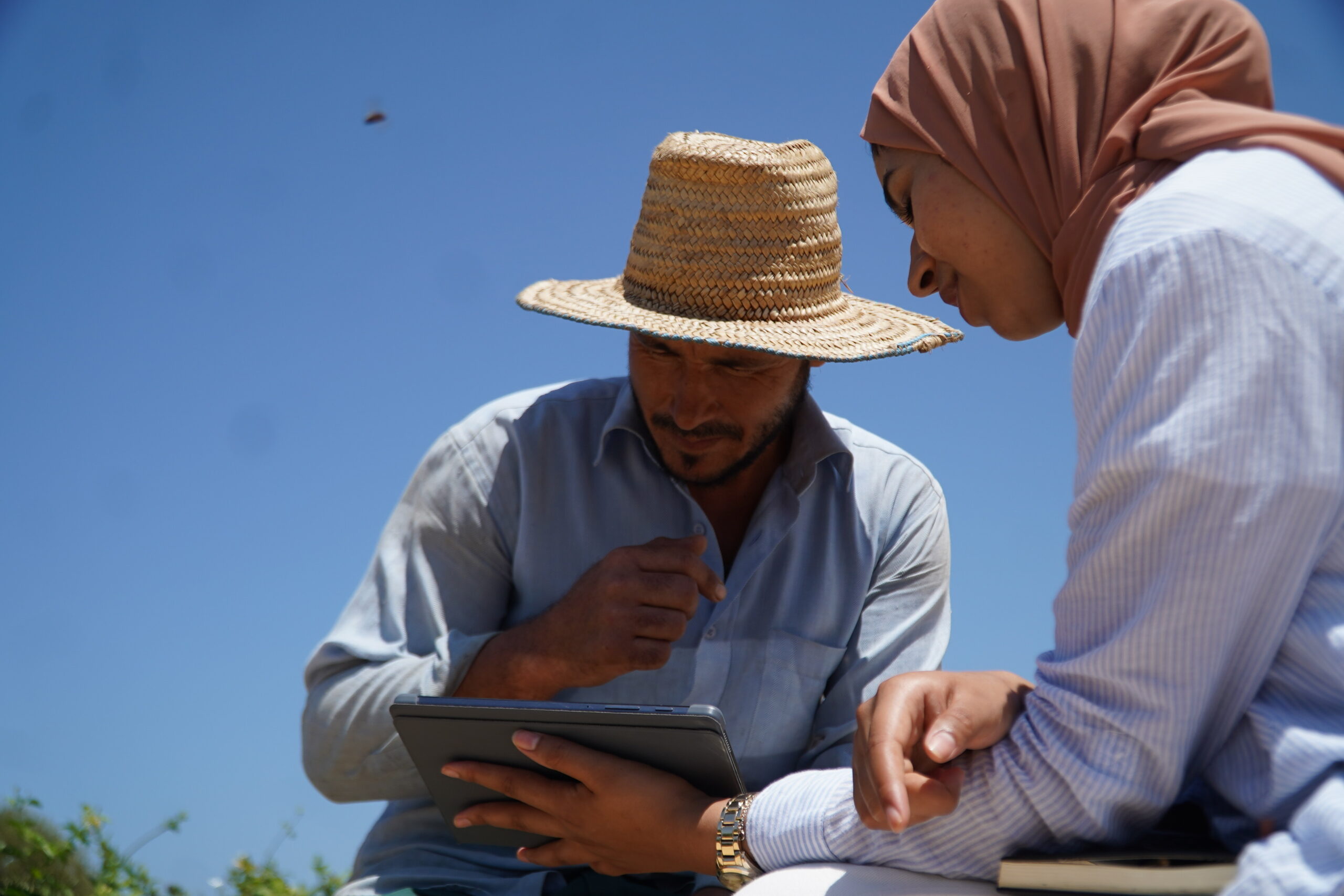
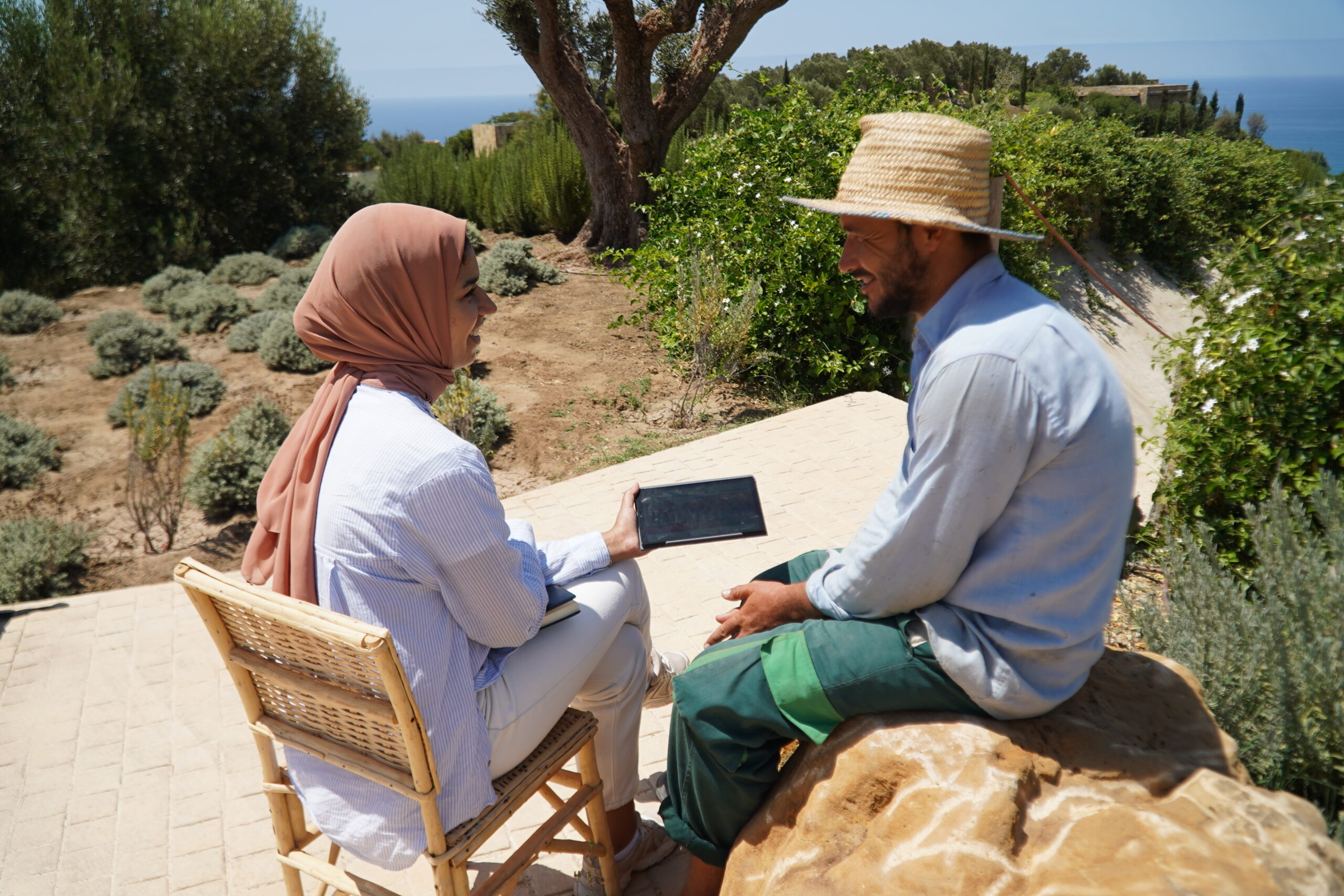
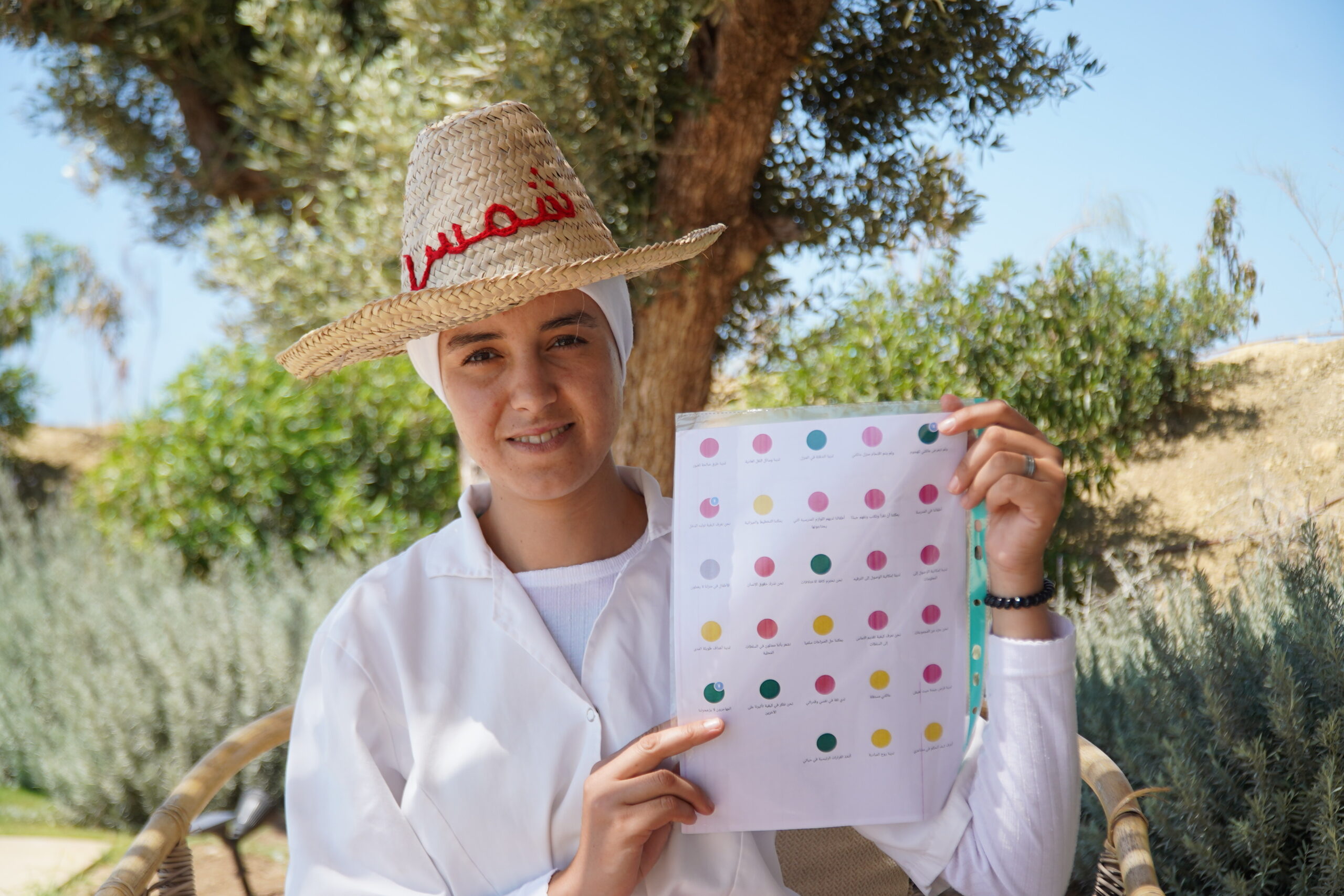
The Poverty Stoplight, known locally as SEMAFORO, is an innovative community development tool developed by Fundación Paraguaya, a pioneering NGO from Paraguay, and adapted by Fondation Orient-Occident to the Moroccan context across several regions and projects. This digital and participatory approach enables families to self-assess their multidimensional poverty using 53 indicators across six key areas, represented by simple red, yellow, and green colors. By visualizing their situation in a clear and accessible way, families become active agents in designing their own paths out of poverty. The Stoplight not only empowers individuals but also generates valuable data that helps communities, organizations, and governments target their efforts more effectively. With adaptations for language and cultural relevance, SEMAFORO has become a vital tool for FOO in supporting Moroccan communities to prioritize needs and foster sustainable, locally driven development.
FOO - LA FIERMONTINA OCEAN
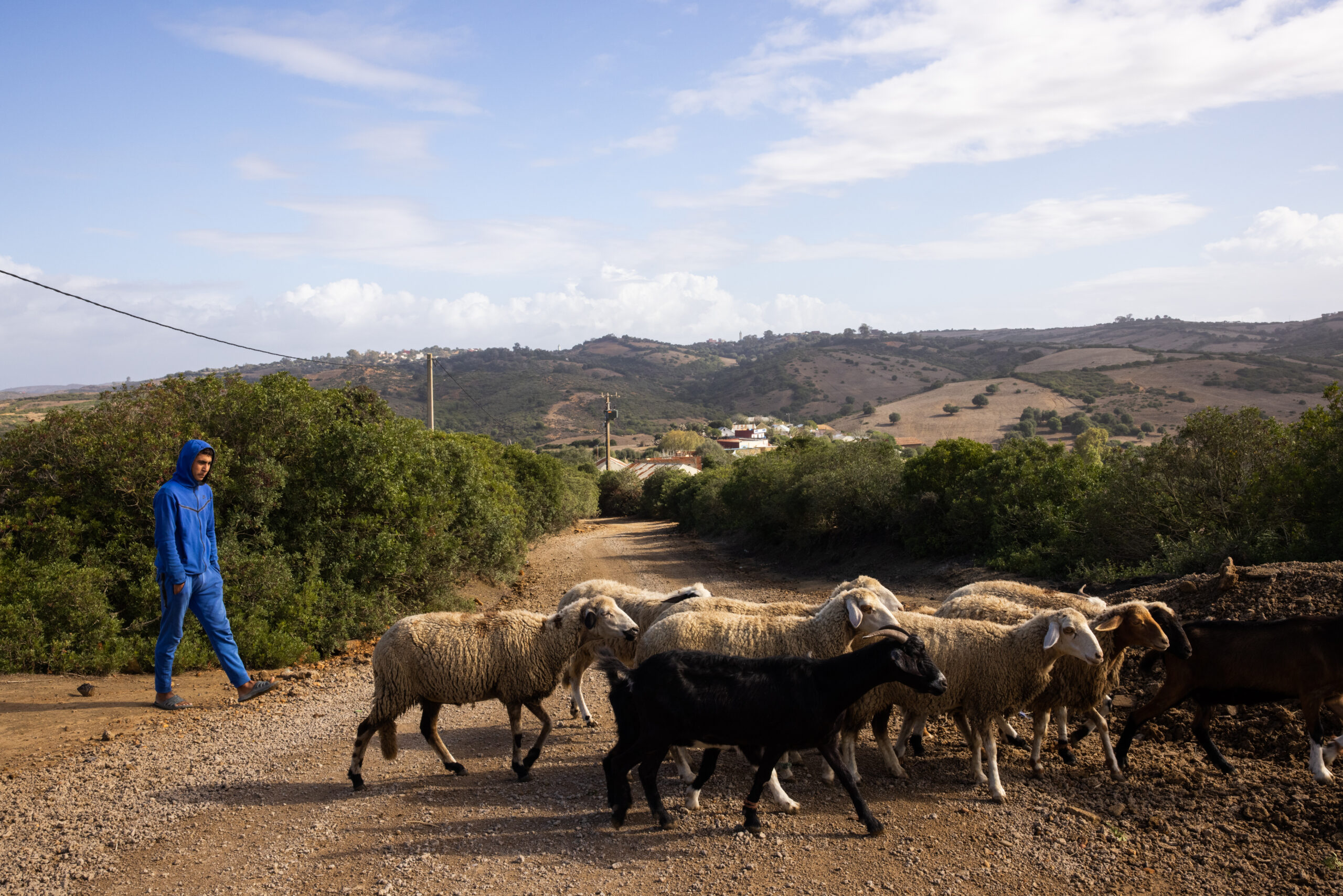
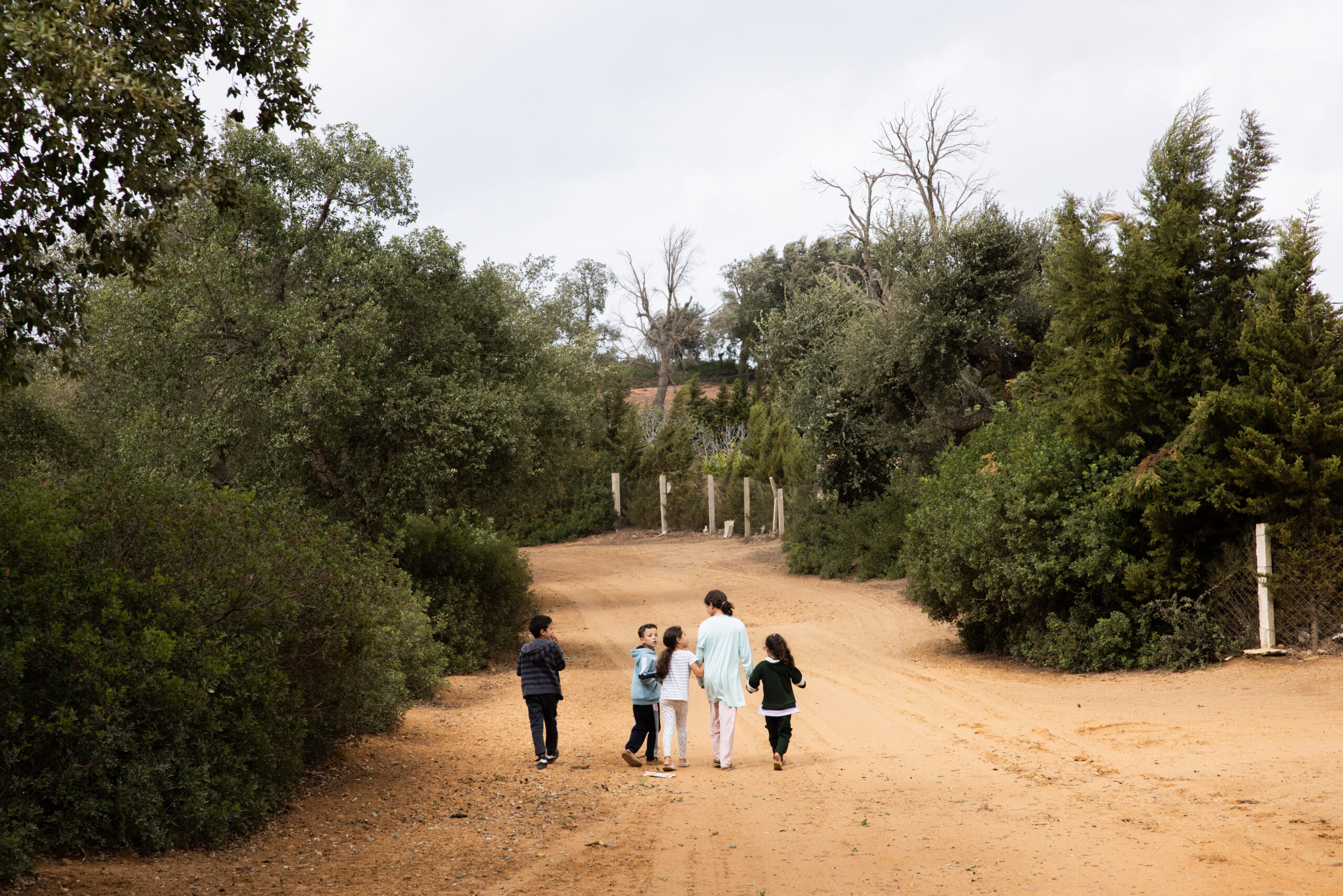
Since February 2020, Fondation Orient-Occident, in partnership with the eco-resort La Fiermontina Ocean, launched a holistic community development project in the rural villages surrounding the resort in the Larache region. Based on a first survey with local inhabitants, the initiative aimed to improve access to basic services such as water, education, healthcare, and employment. Key interventions included village renovation, road construction, water infrastructure, waste recycling, and housing upgrades using eco-friendly methods. The project also focused on culture and education, with school renovations, digital access, teacher training, and the creation of a playroom. Training programs prepared residents for employment in tourism and hospitality, while new cooperatives supported organic farming and women’s entrepreneurship. The Poverty Stoplight tool was implemented to help families assess their needs and build personal development plans, reinforcing the project's inclusive and sustainable approach.
LARACHE TRAINING CENTRE
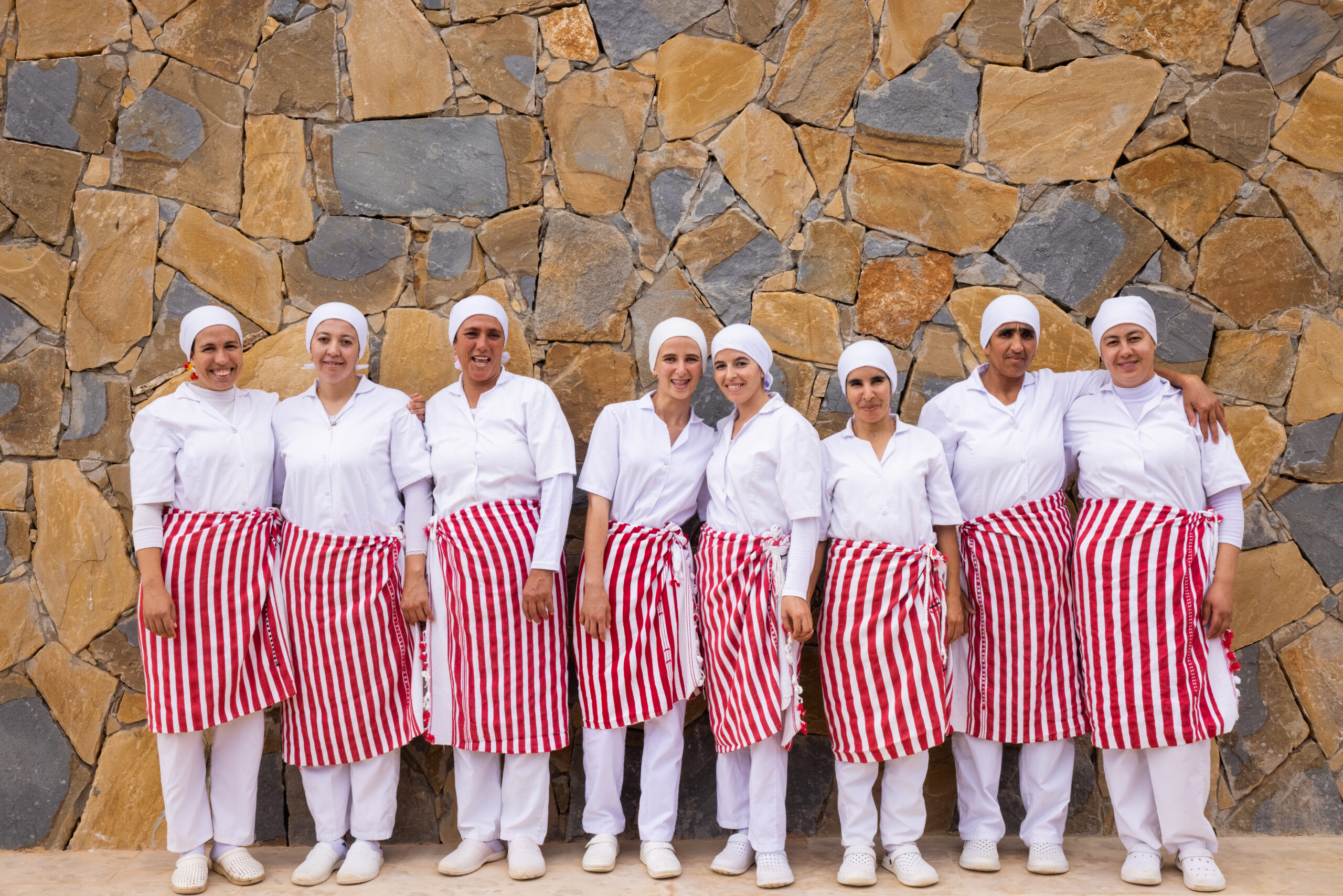
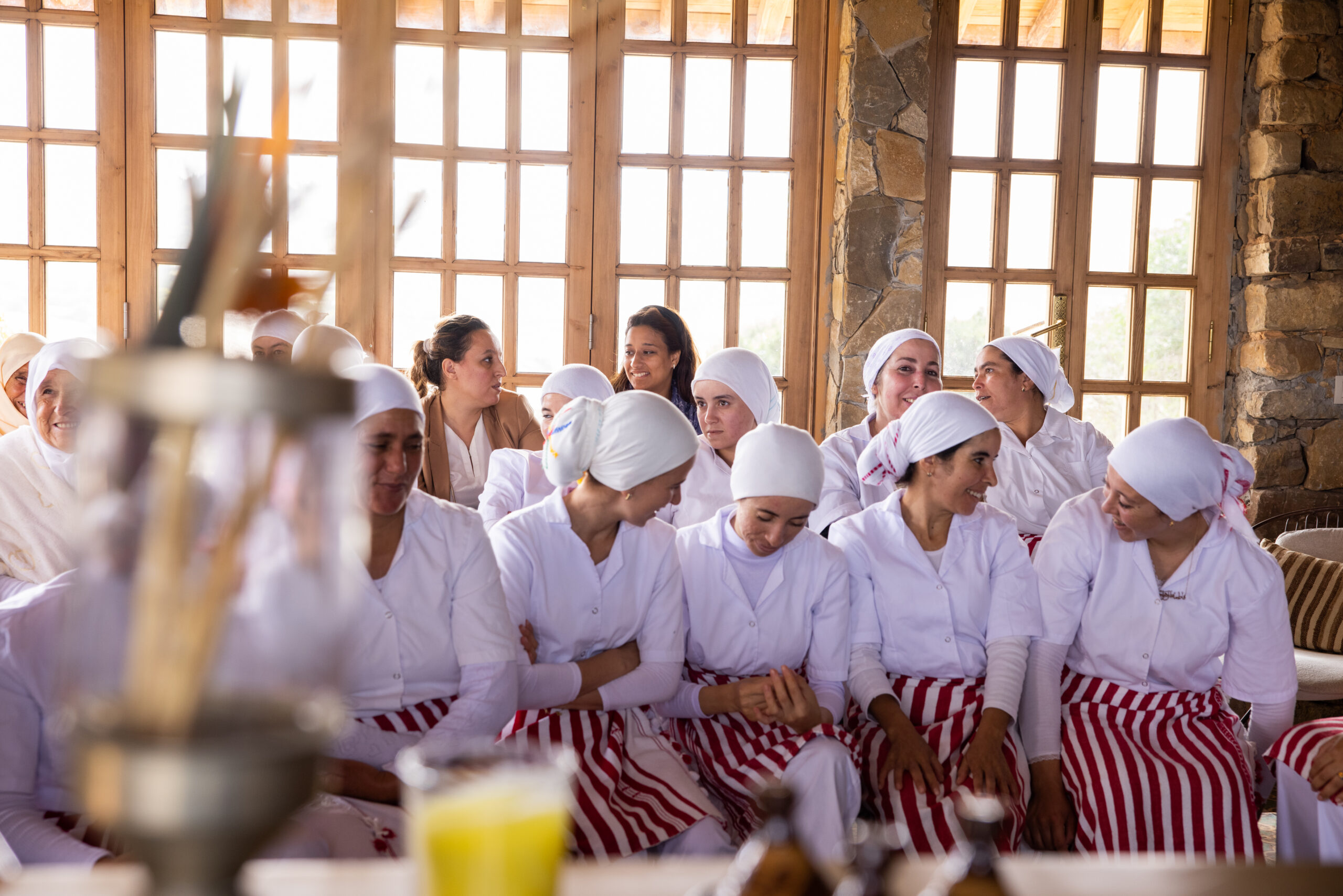
Launched in 2005, this project is the result of deep-rooted, trust-based work within the local territory, built through years of listening, dialogue, and collaboration. In partnership with the Spanish Cooperation (AECID) and La Fiermontina Ocean, Fondation Orient-Occident has worked to promote local culture, support rural communities, and encourage a solidarity-based economy. The program offers free, professional training to 200 students per year in the hospitality and culinary sectors—including cooking, pastry-making, restaurant service, housekeeping, and front-desk reception. This 24-month course combines theory and practice, leading to a professional diploma and real employment opportunities. The center is also the first in the region to implement the Poverty Stoplight method.

Earth quake
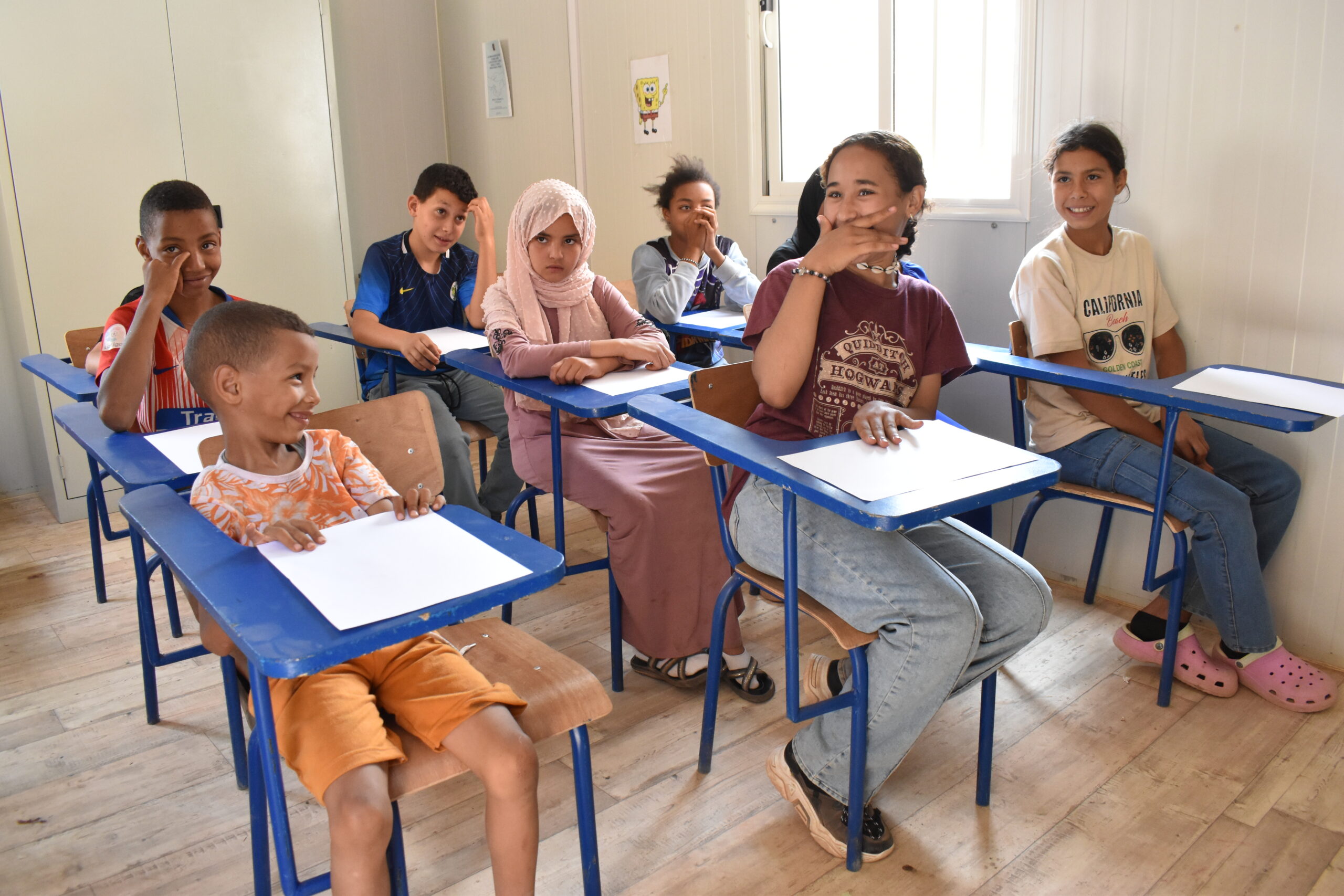
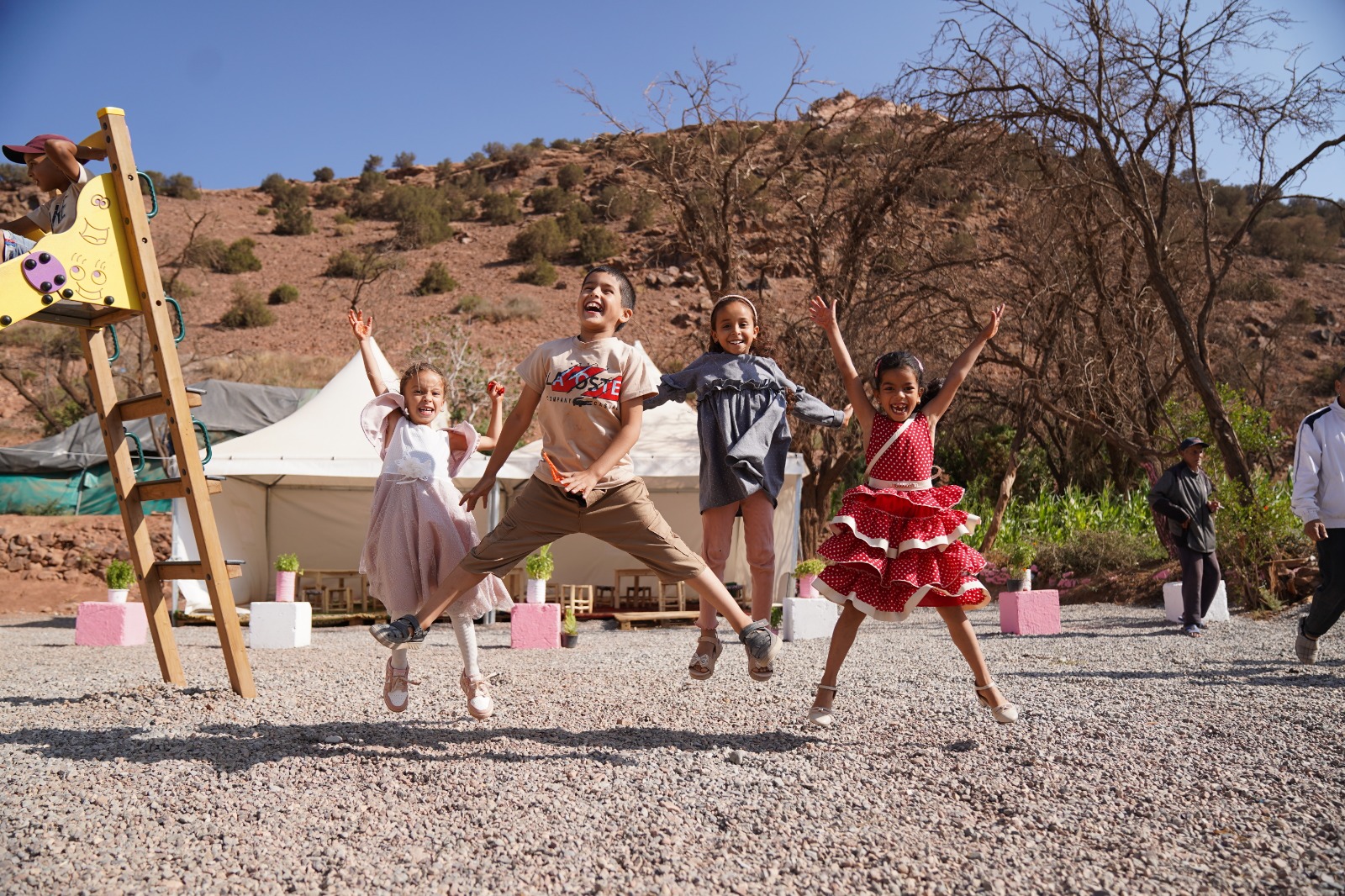
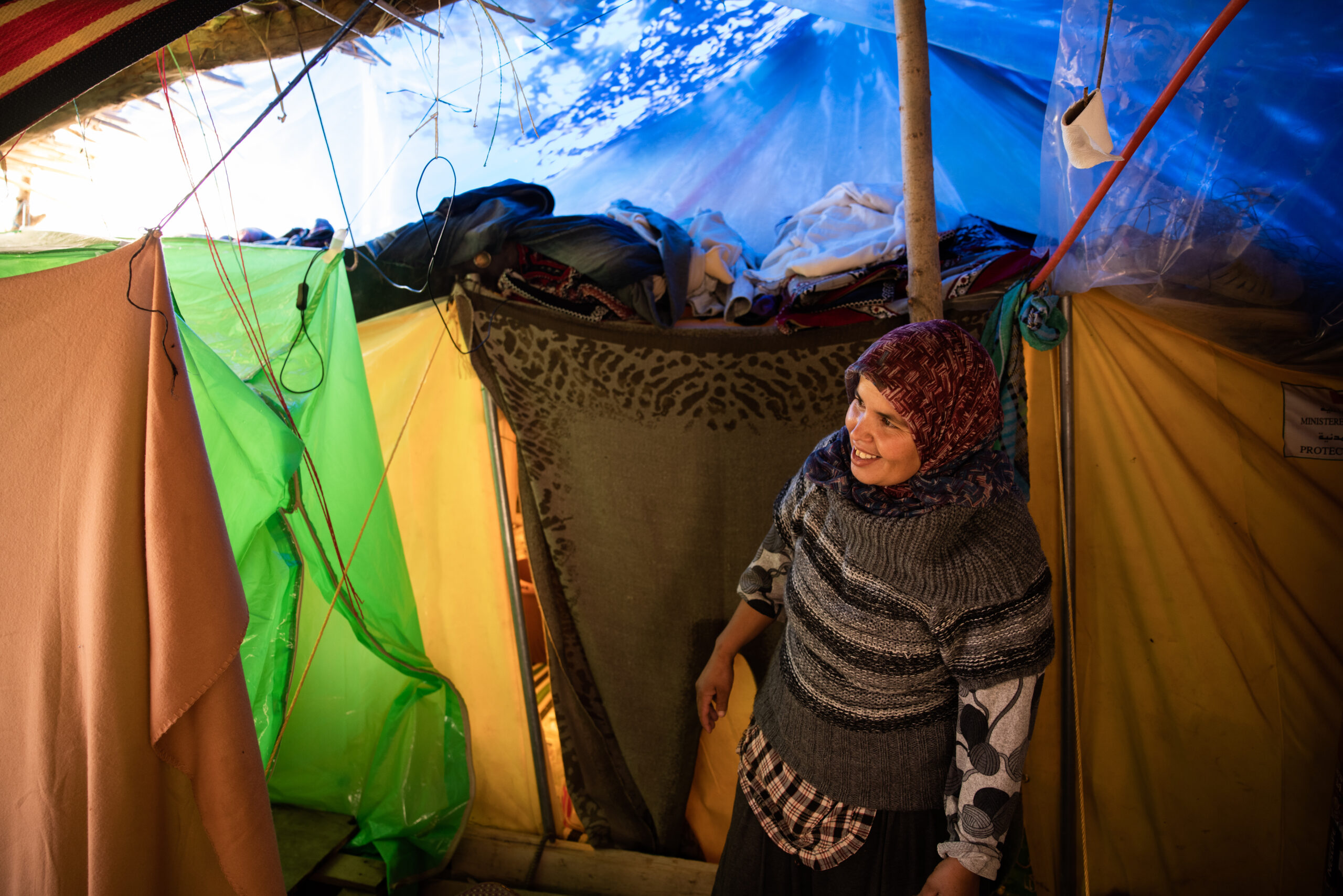
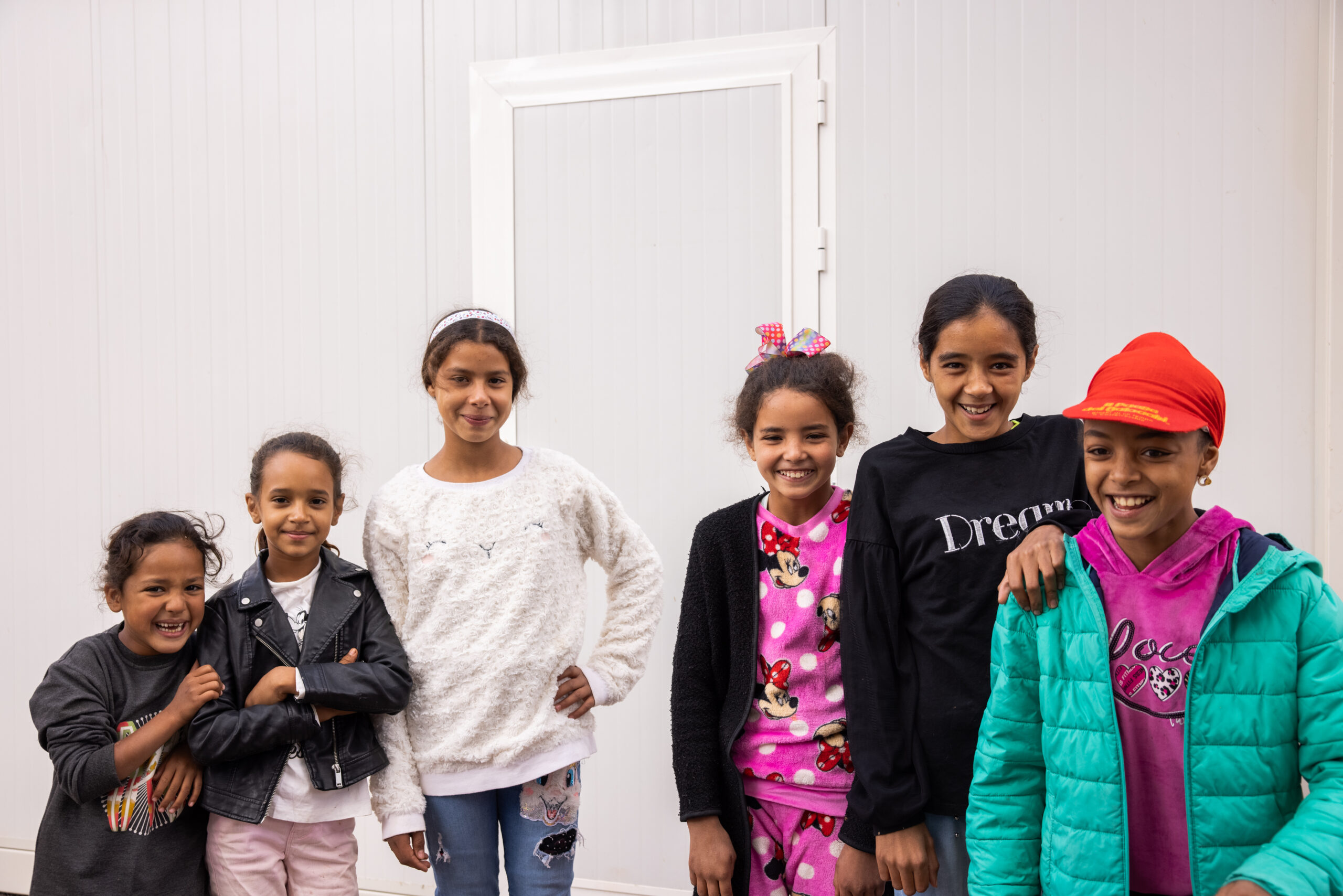
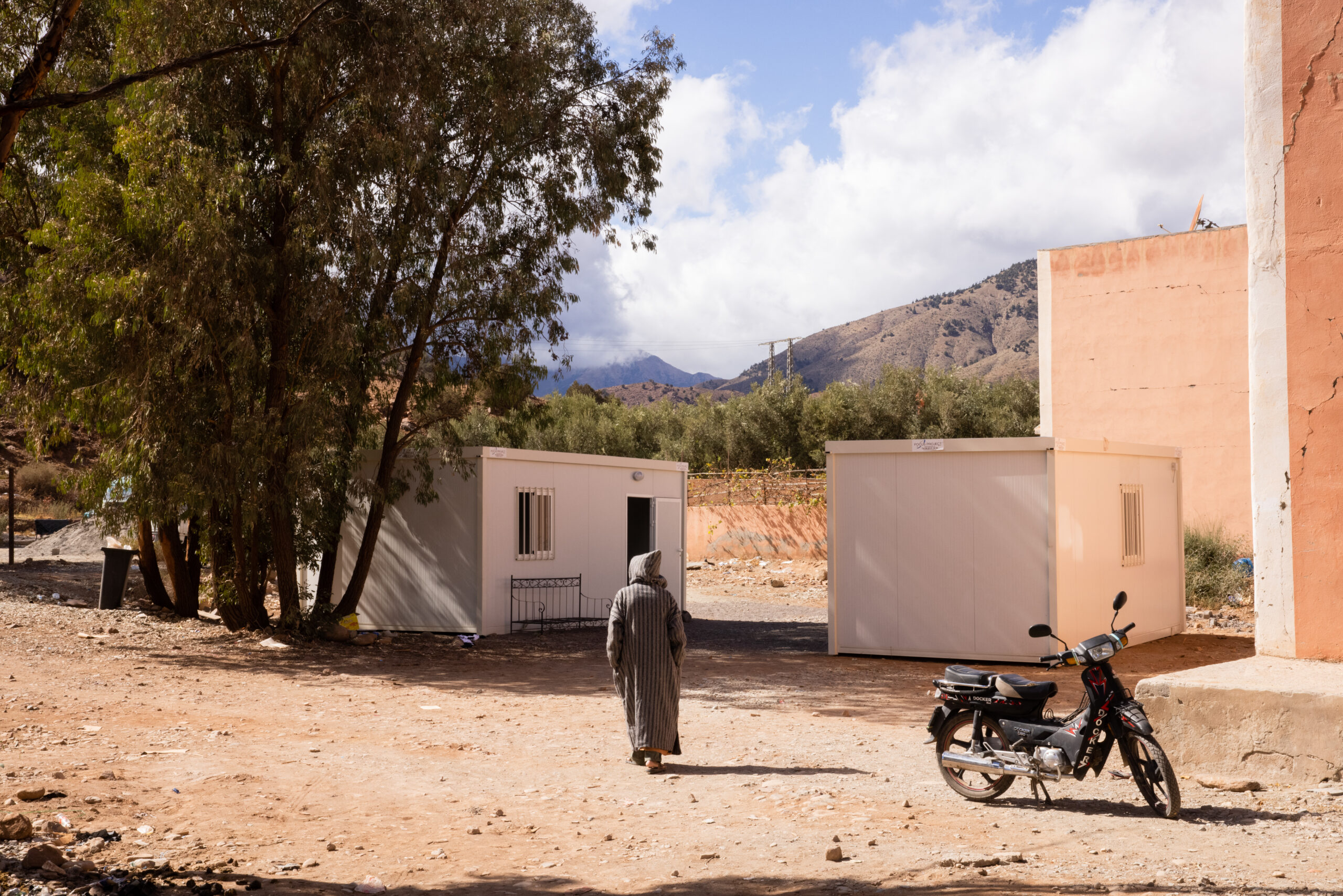
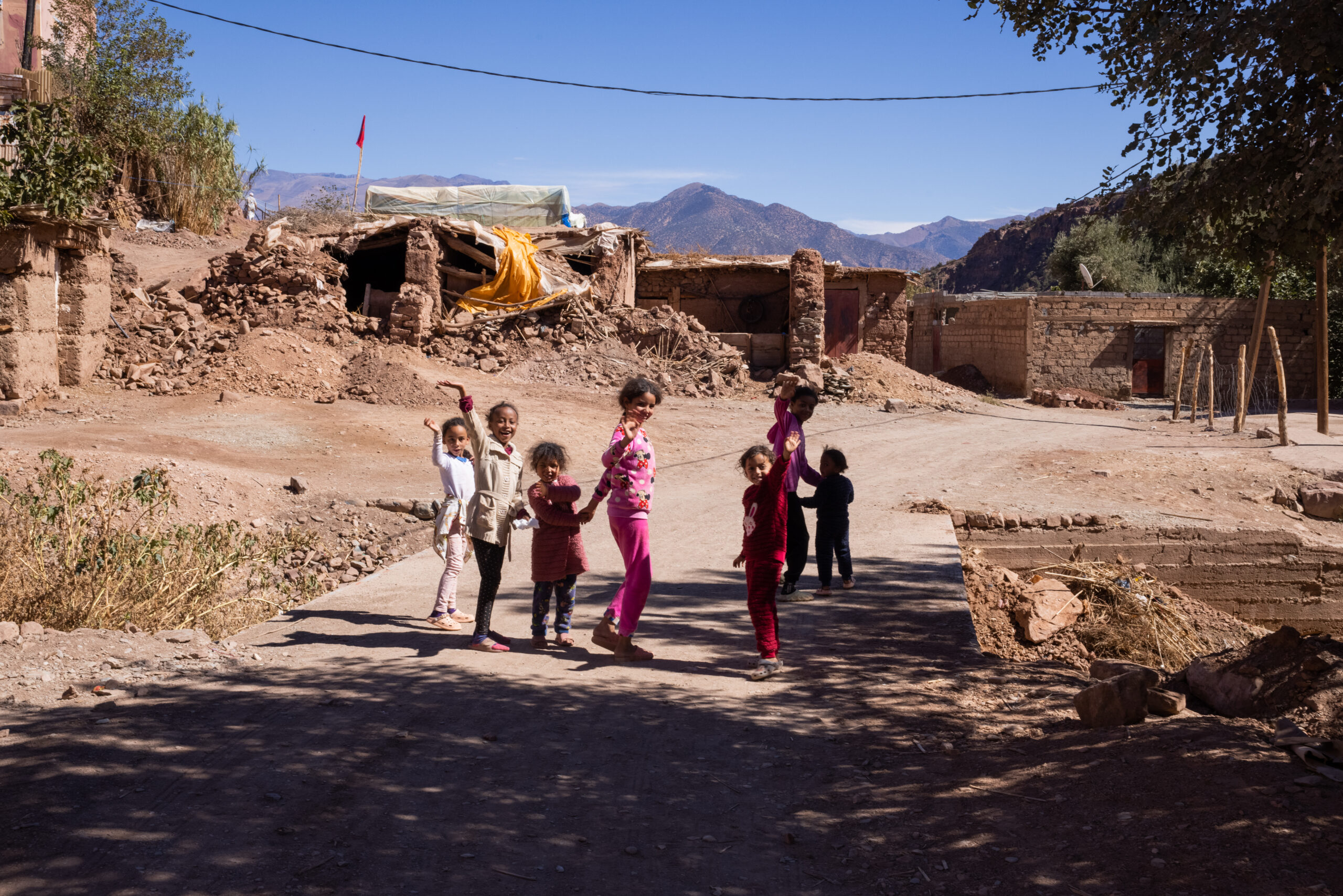
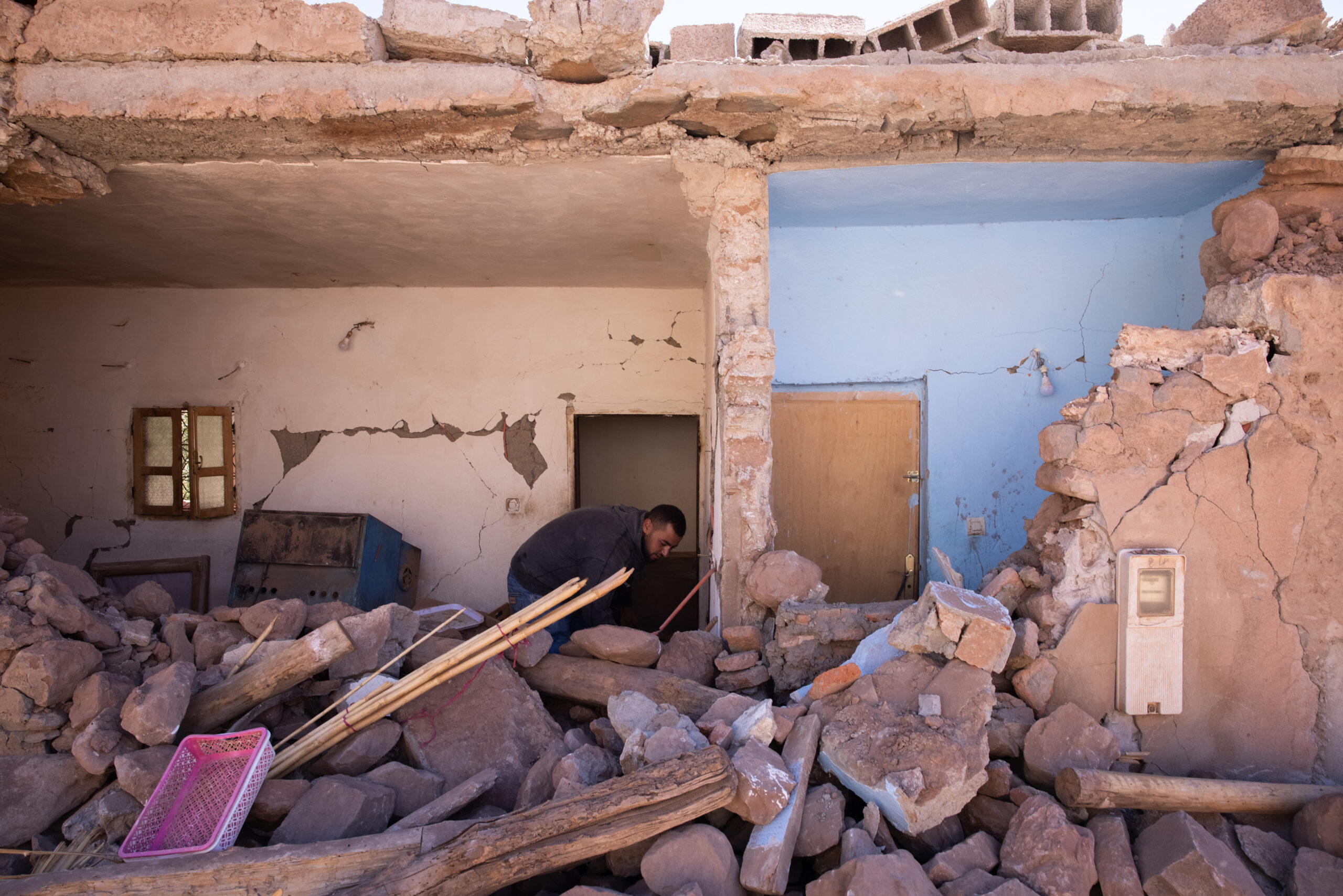
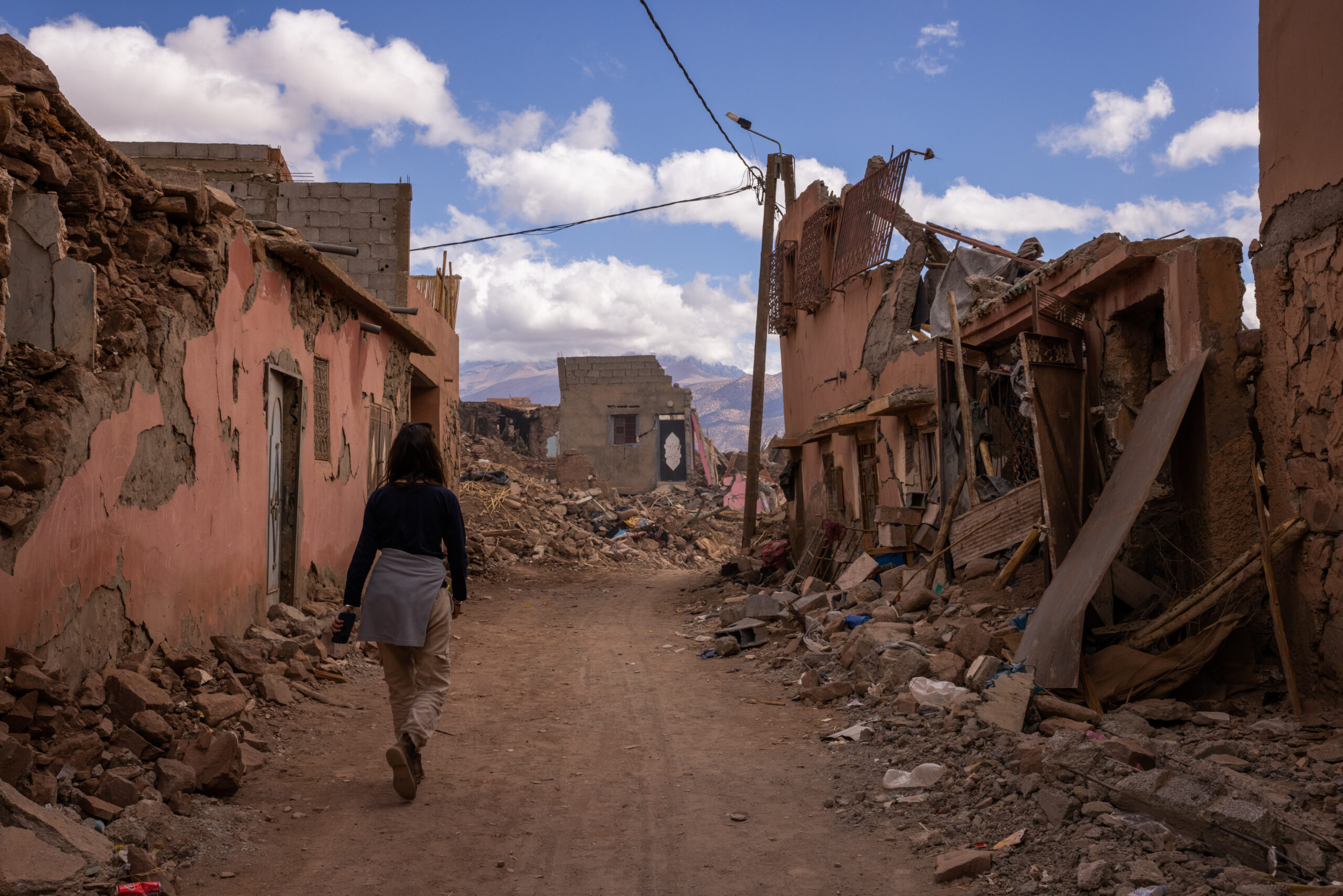
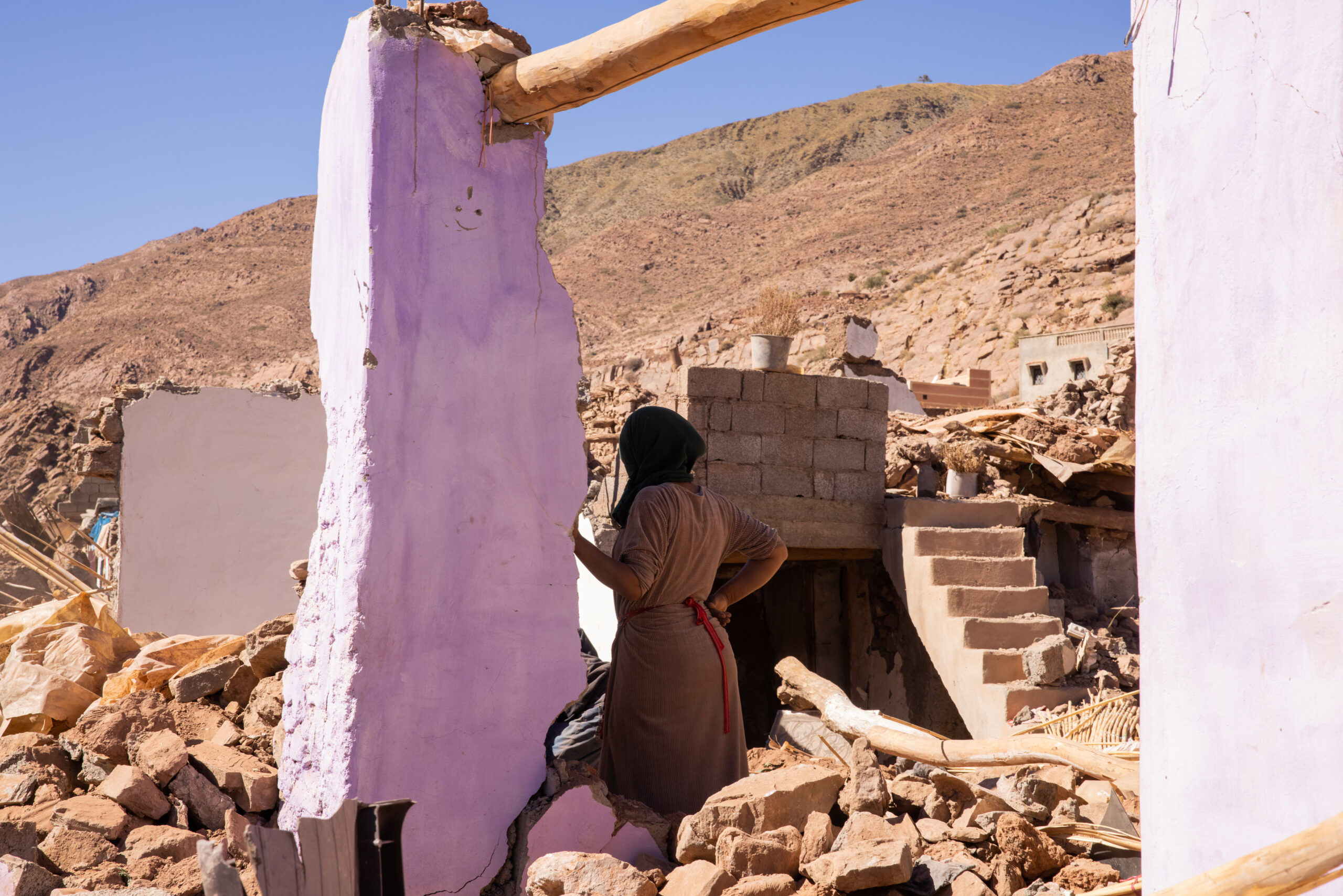
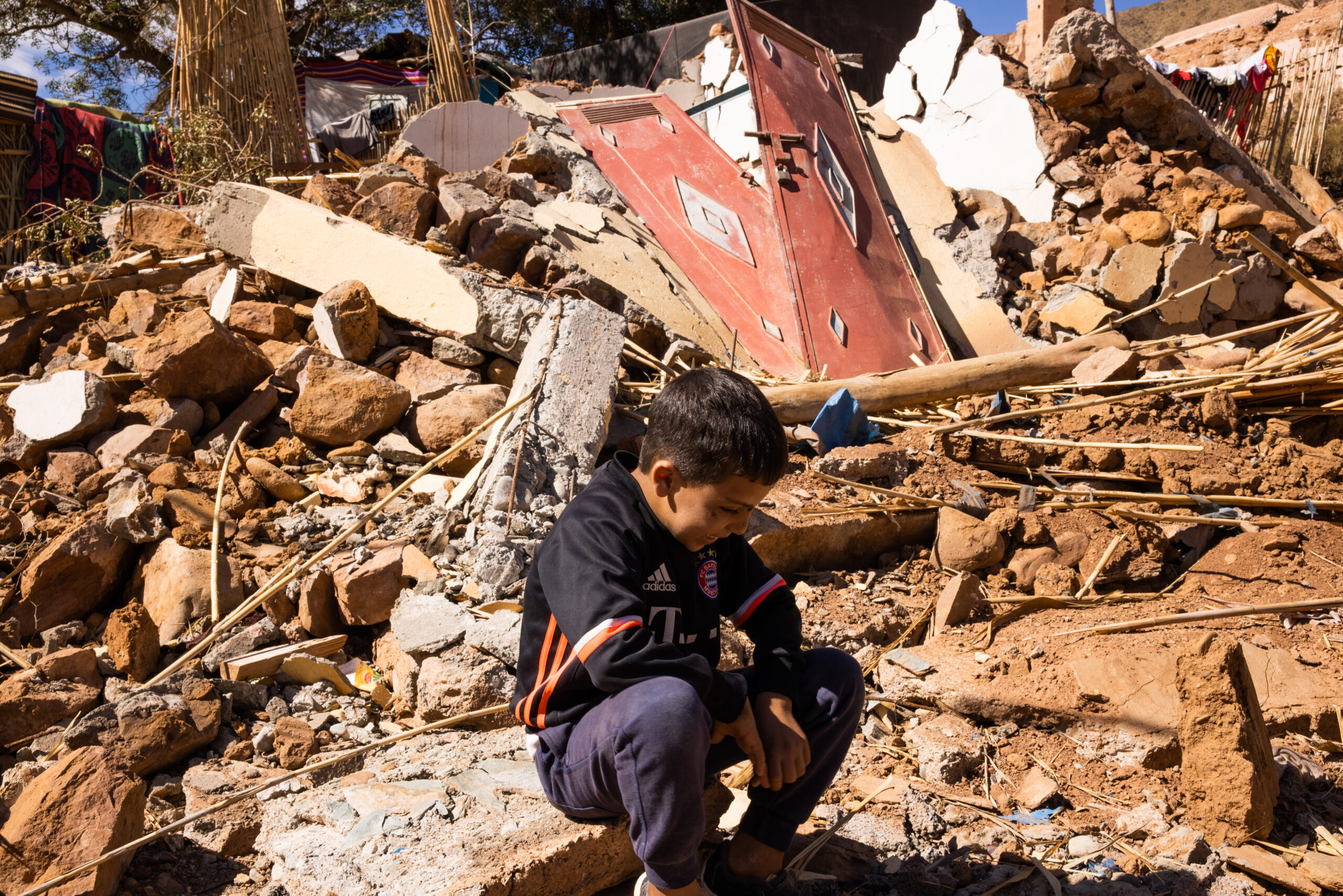
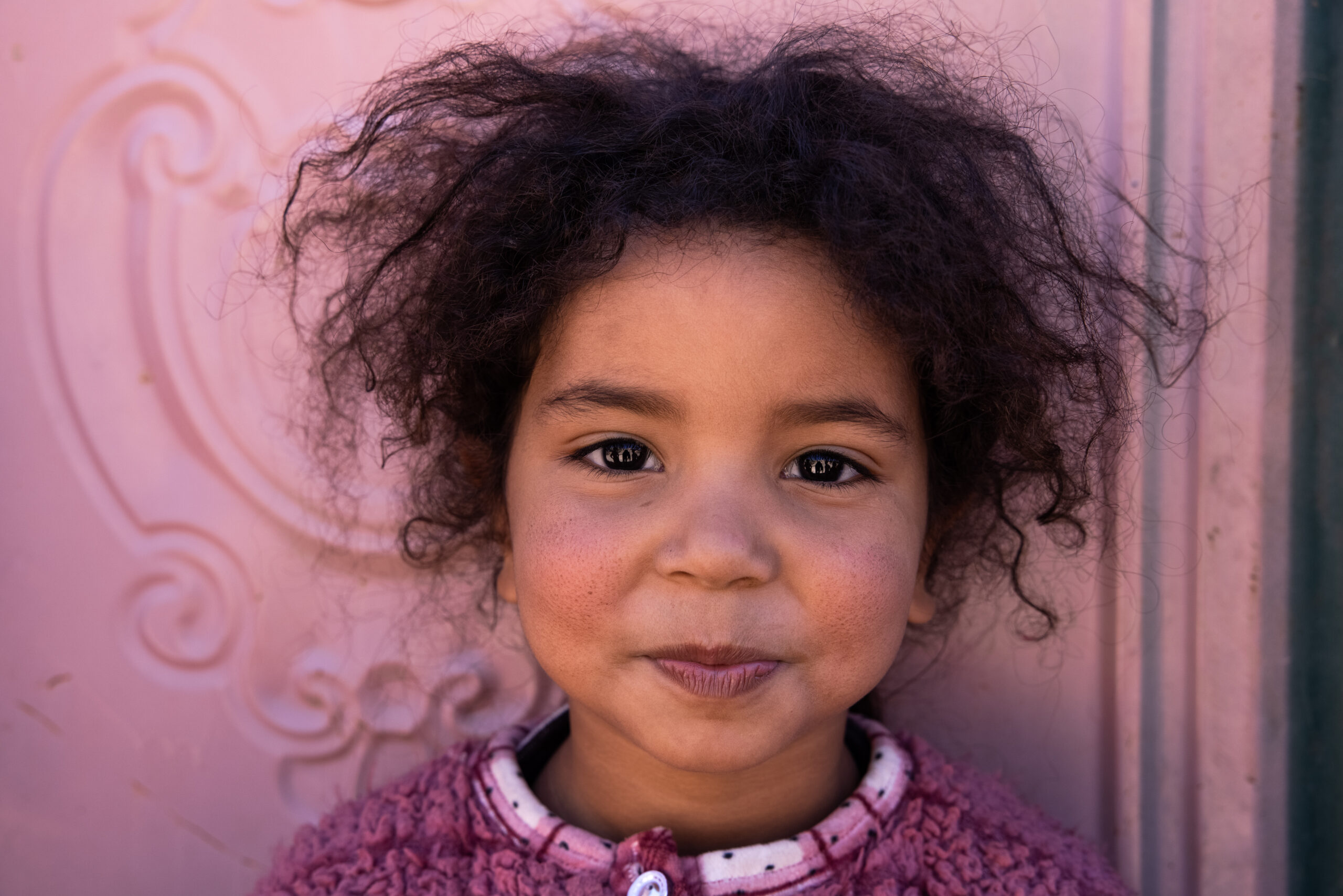
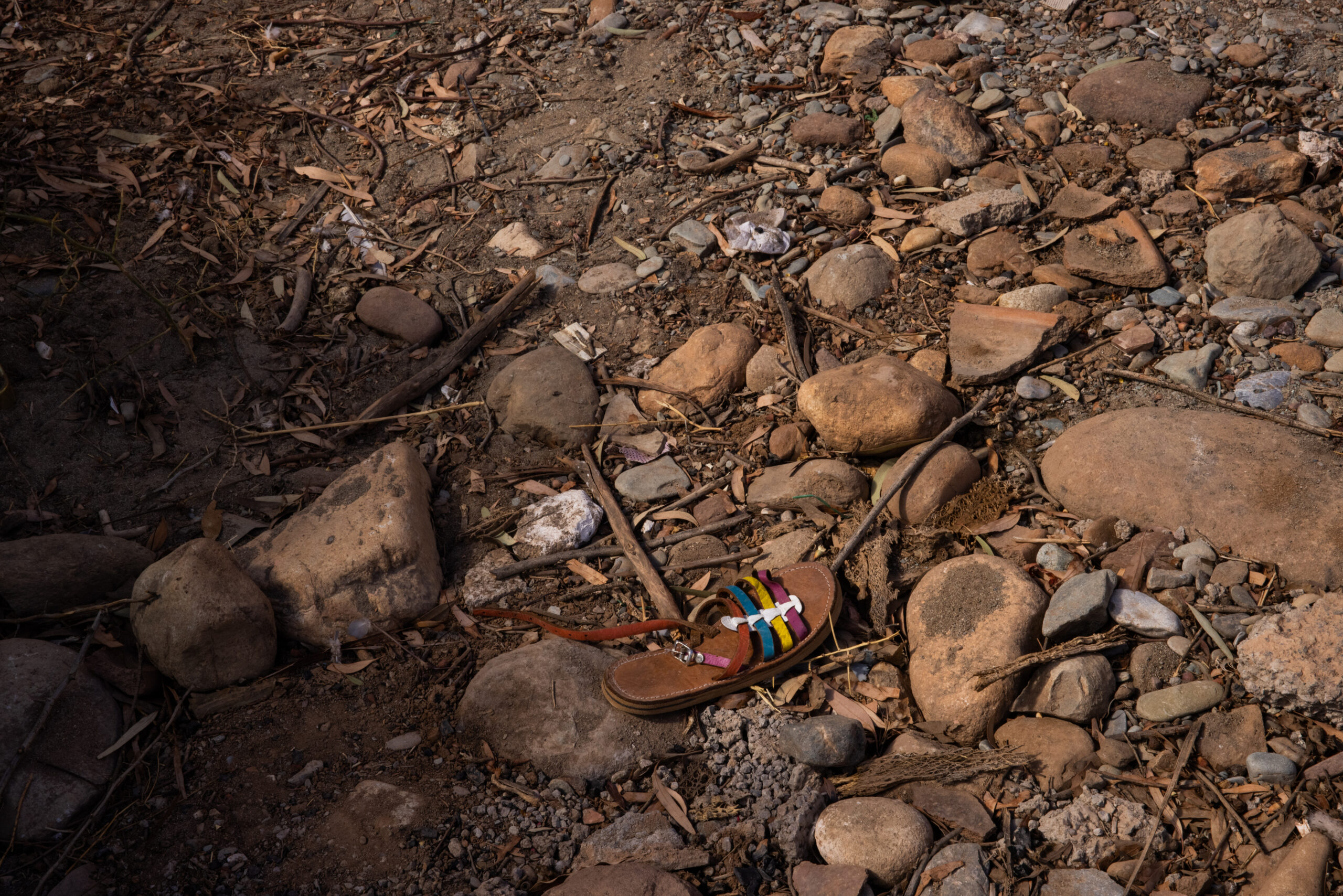
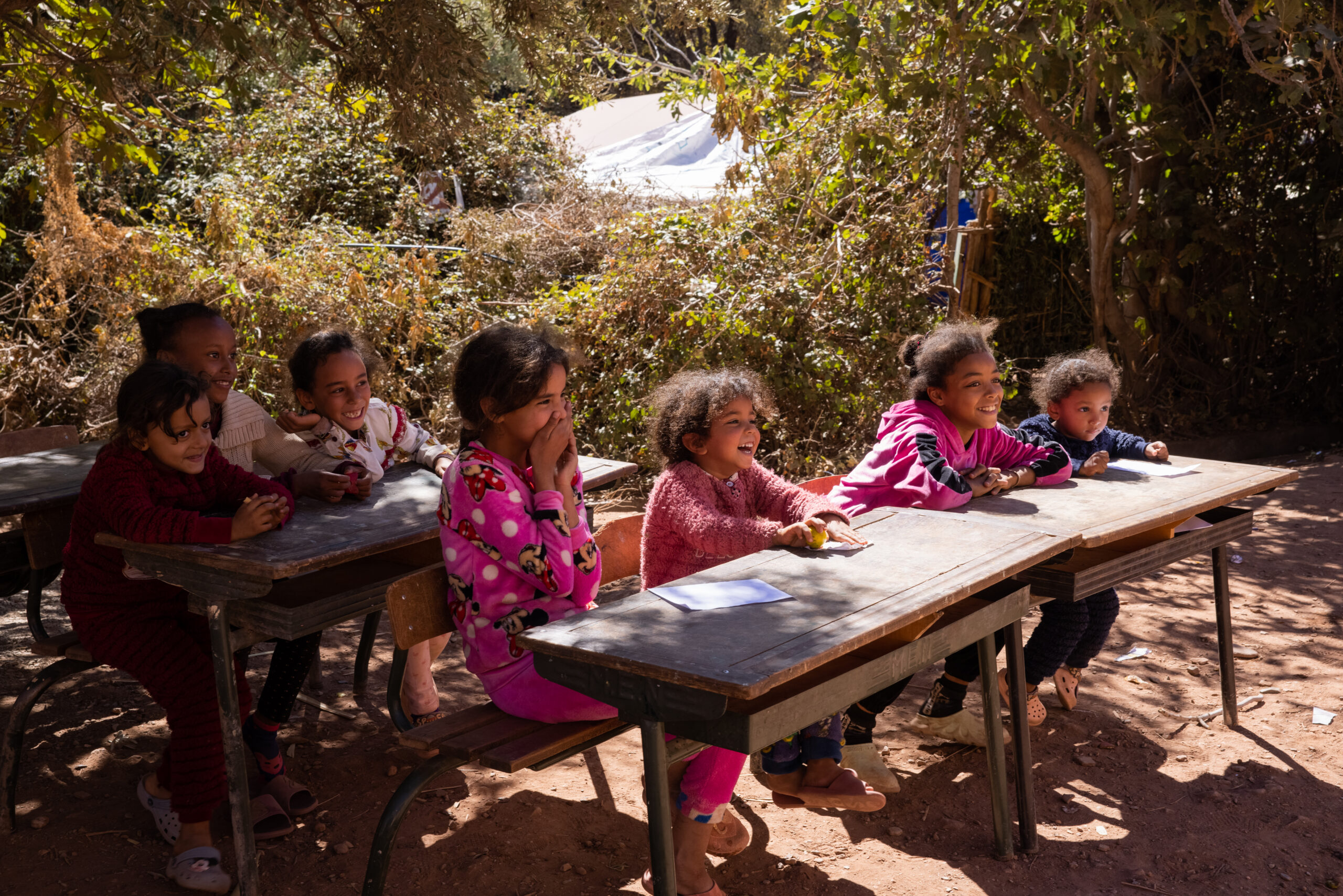
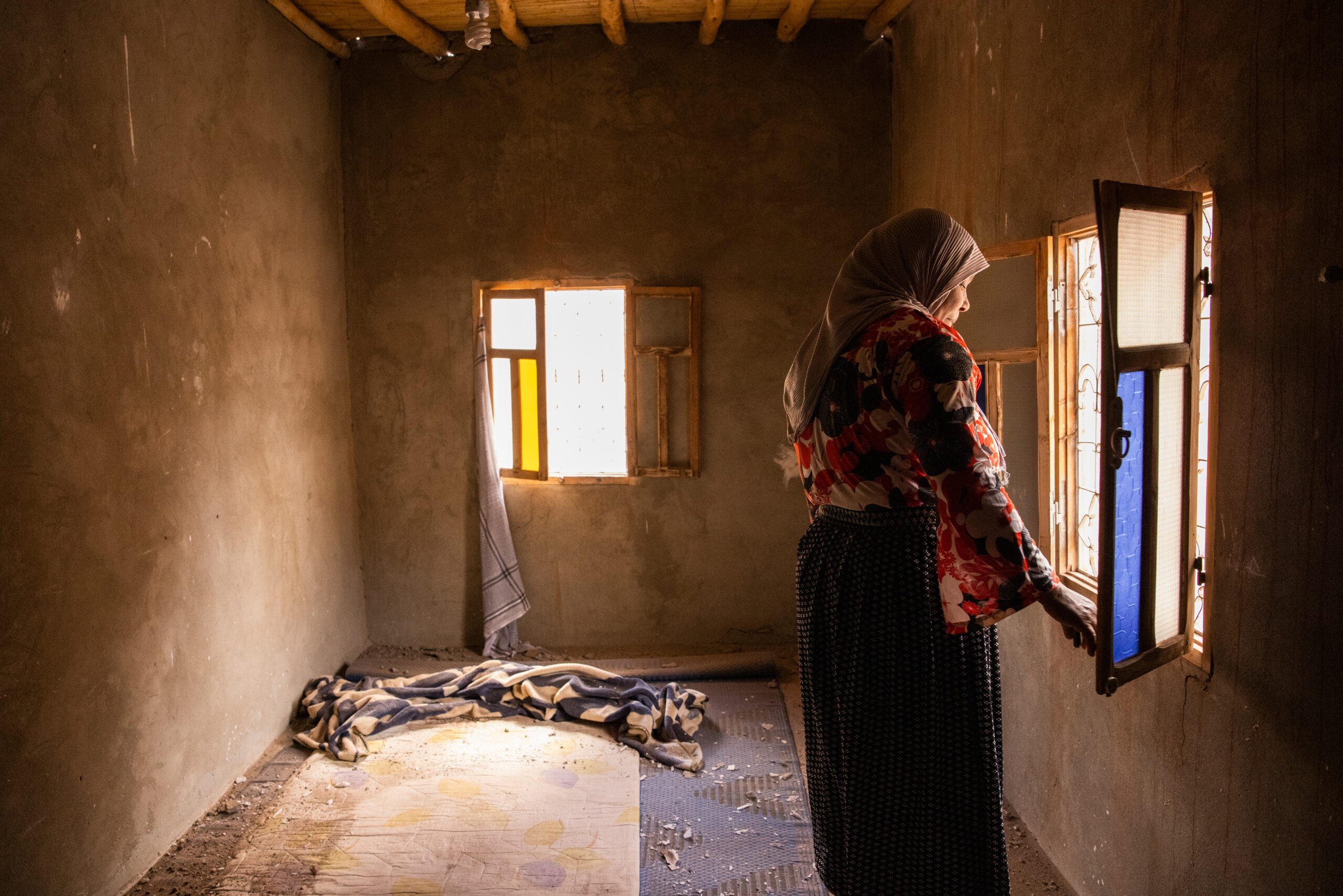
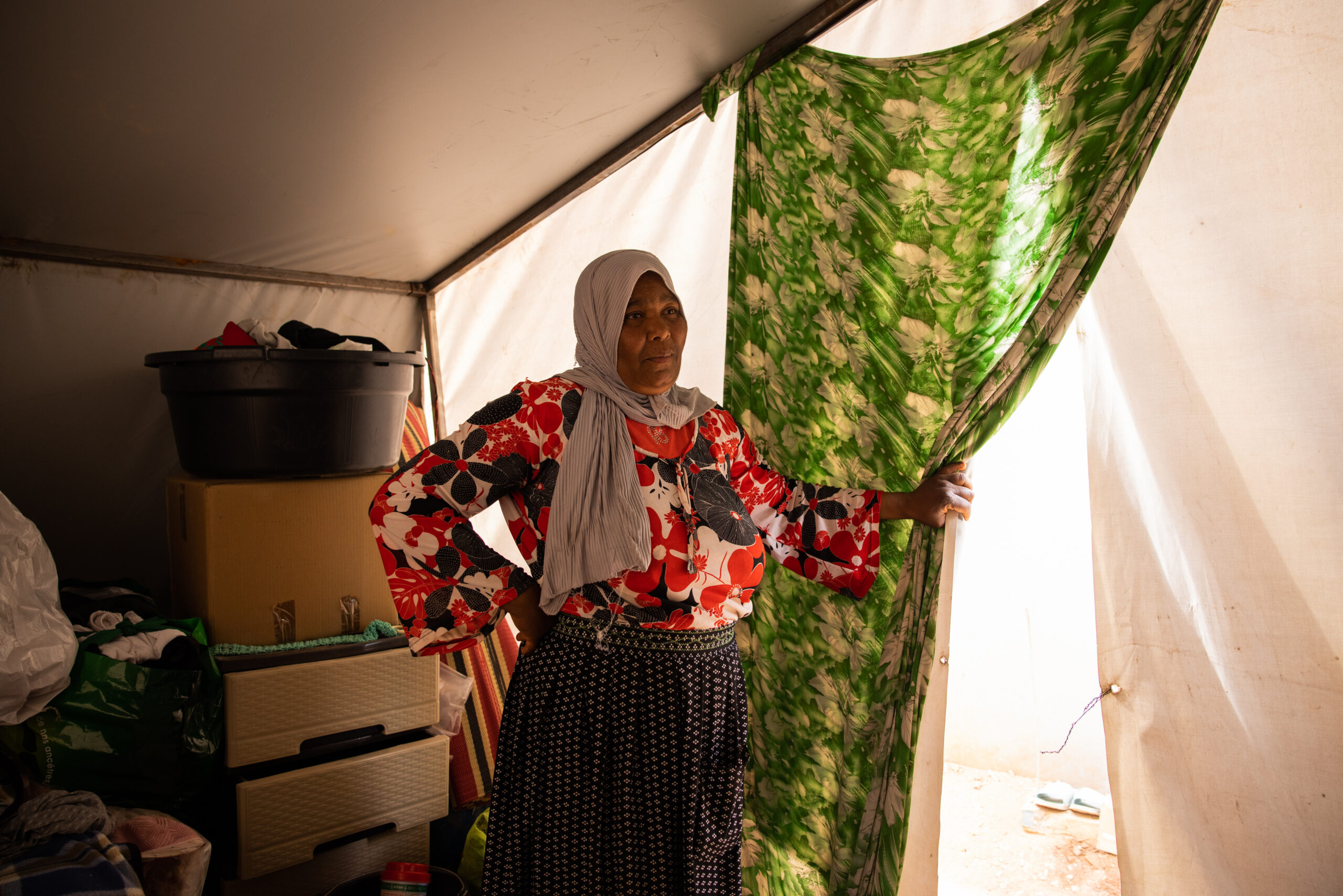
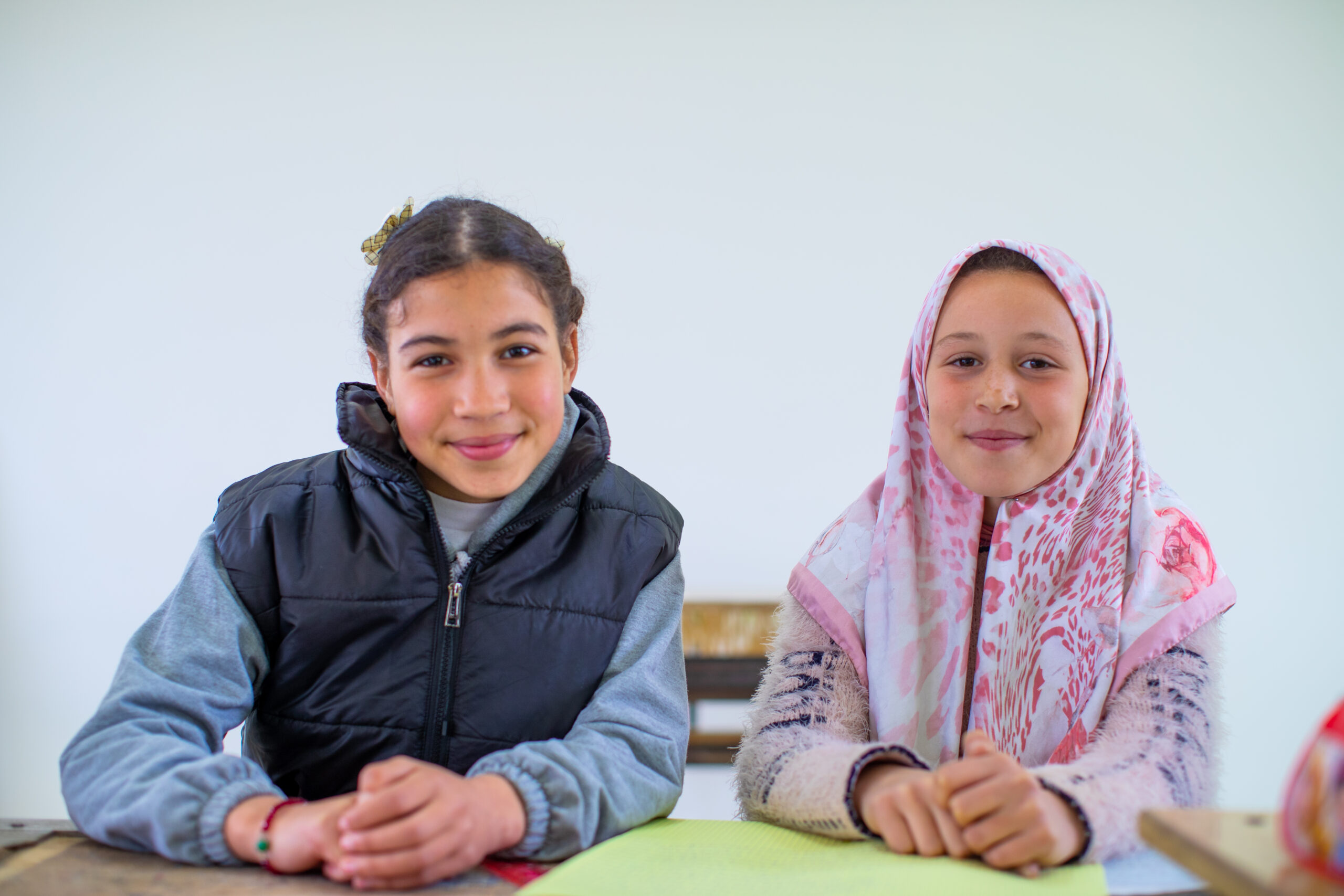
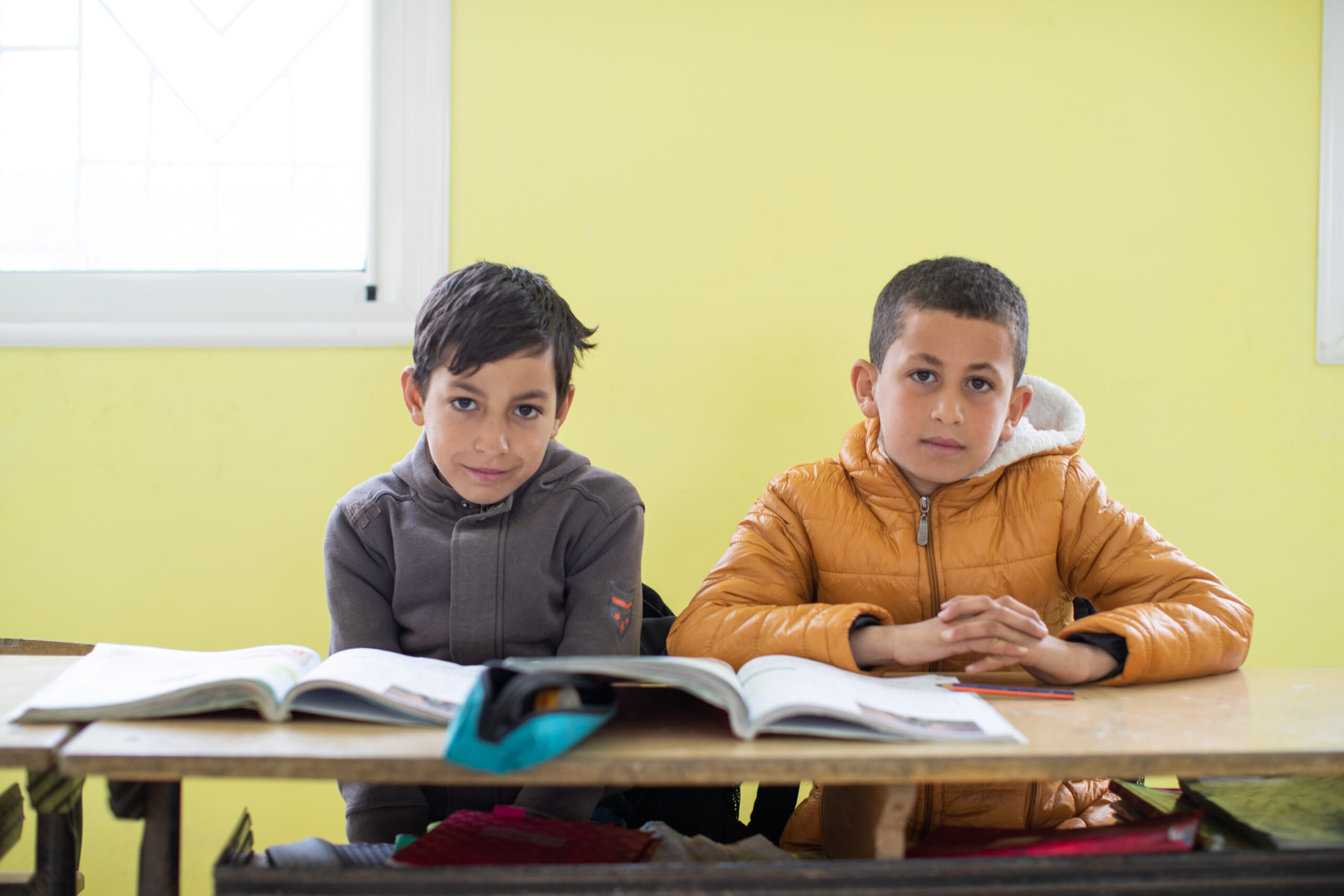
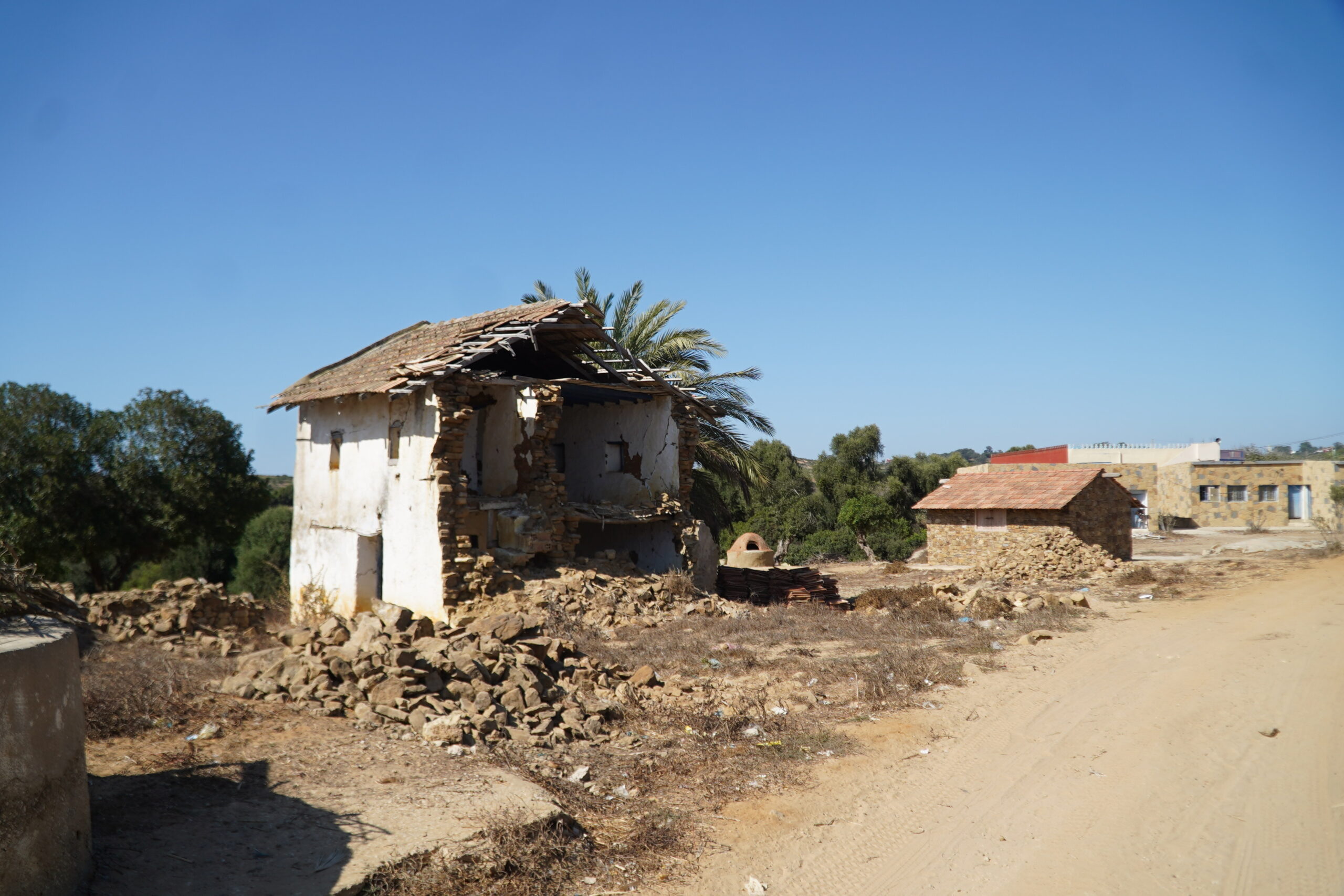
On the night of September 8th to 9th, 2023, Morocco was struck by a devastating earthquake measuring 7.0 on the Richter scale—the strongest ever recorded in the country. The disaster caused widespread destruction and claimed thousands of lives across several regions. In the immediate aftermath, Fondation Orient-Occident mobilized all available resources to respond to the urgent needs of affected communities. A toll-free emergency hotline was launched, and the Foundation provided critical assistance in key areas including psychosocial support, emergency shelter, and basic necessities. Soon after, FOO initiated a longer-term recovery program offering educational support, vocational training, and cultural and artistic activities for children impacted by the trauma.
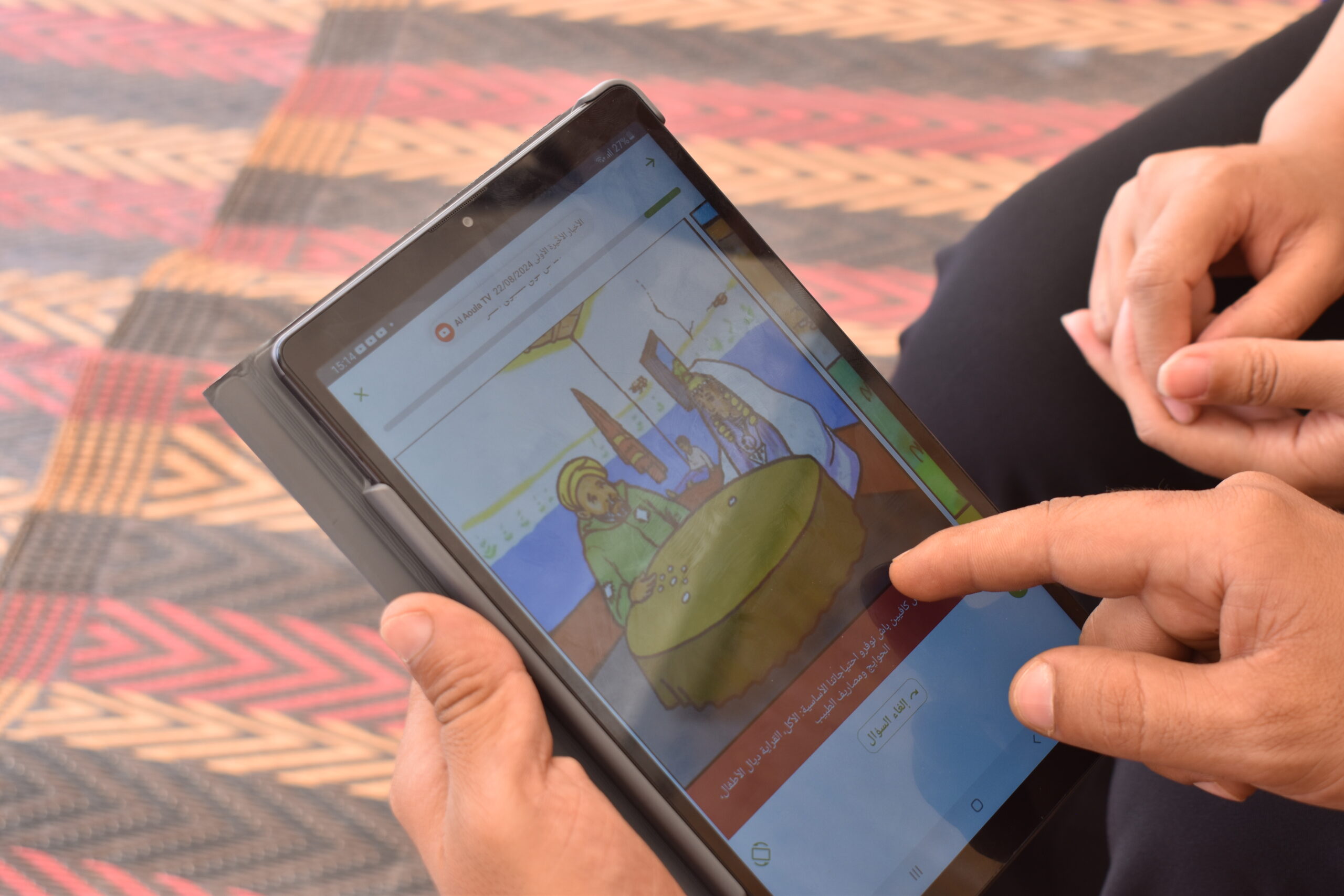
As part of its broader community development strategy, the Foundation is currently implementing a comprehensive recovery programme across 12 douars in the communes of Tala N'Yakoub, Ijoukak, and Tahenaout, in collaboration with 35 local associations. A key component of this initiative is the introduction of the SEMAFORO tool—also known as the “Poverty Stoplight,” developed by Fundación Paraguaya—which helps families evaluate and address multidimensional poverty. Using 50 indicators to assess living conditions, the tool empowers families to co-design tailored strategies for improving their quality of life. The data collected from this process will guide targeted interventions and support long-term resilience and development in the earthquake-affected communities.


Past projects
SAHAM PROJECT
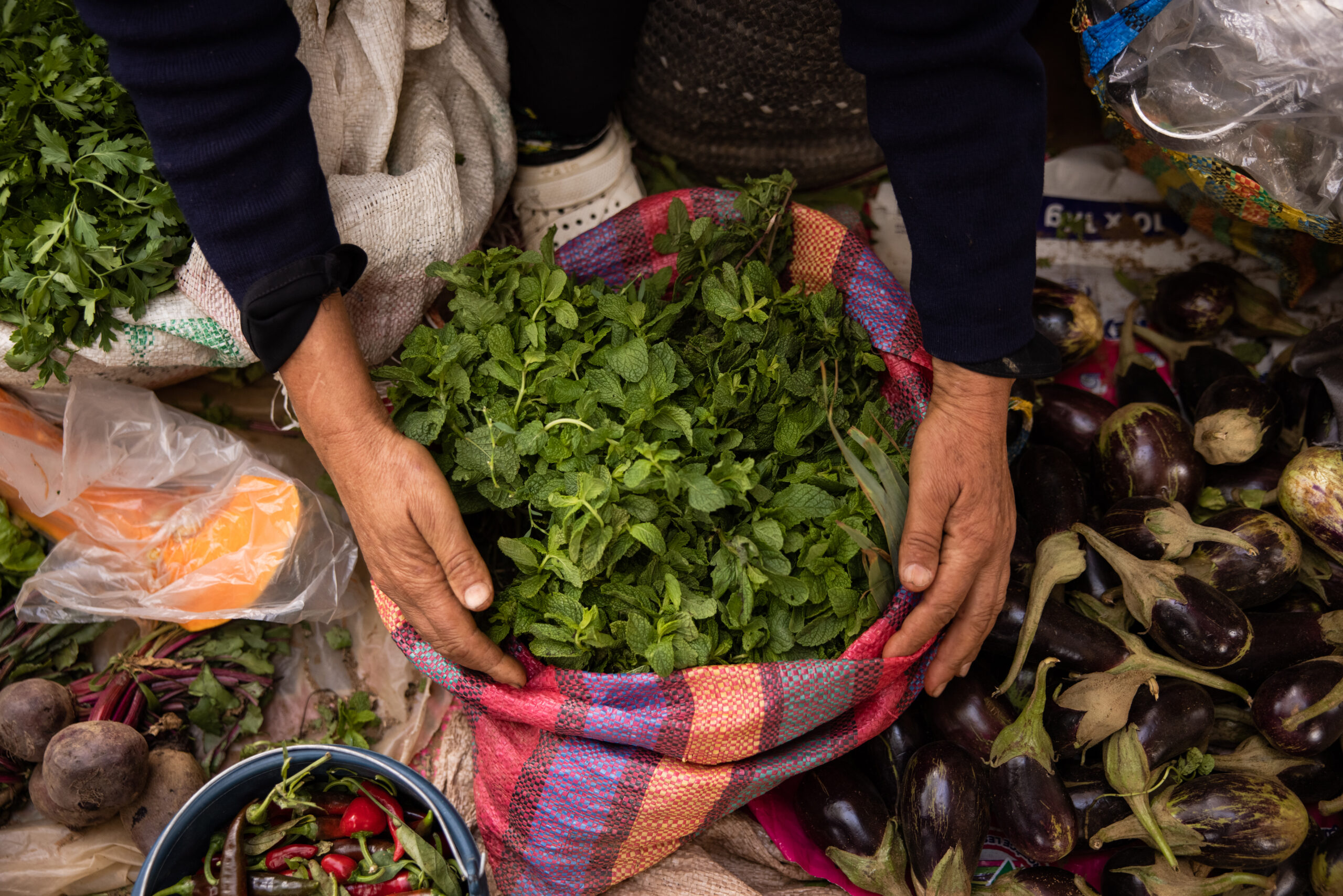
Fondation Orient-Occident collaborated with Fondation Saham to implement a three-year community development program focused on non-formal education in rural areas. The initiative aimed to strengthen local capacities through a holistic model centered on health, social entrepreneurship, and inclusive governance. Targeting key sectors such as education, health, rural economy, agriculture, and the environment, the program promoted equal opportunities and economic independence through income-generating activities, contributing to integrated and sustainable development.
WATER HARVESTING
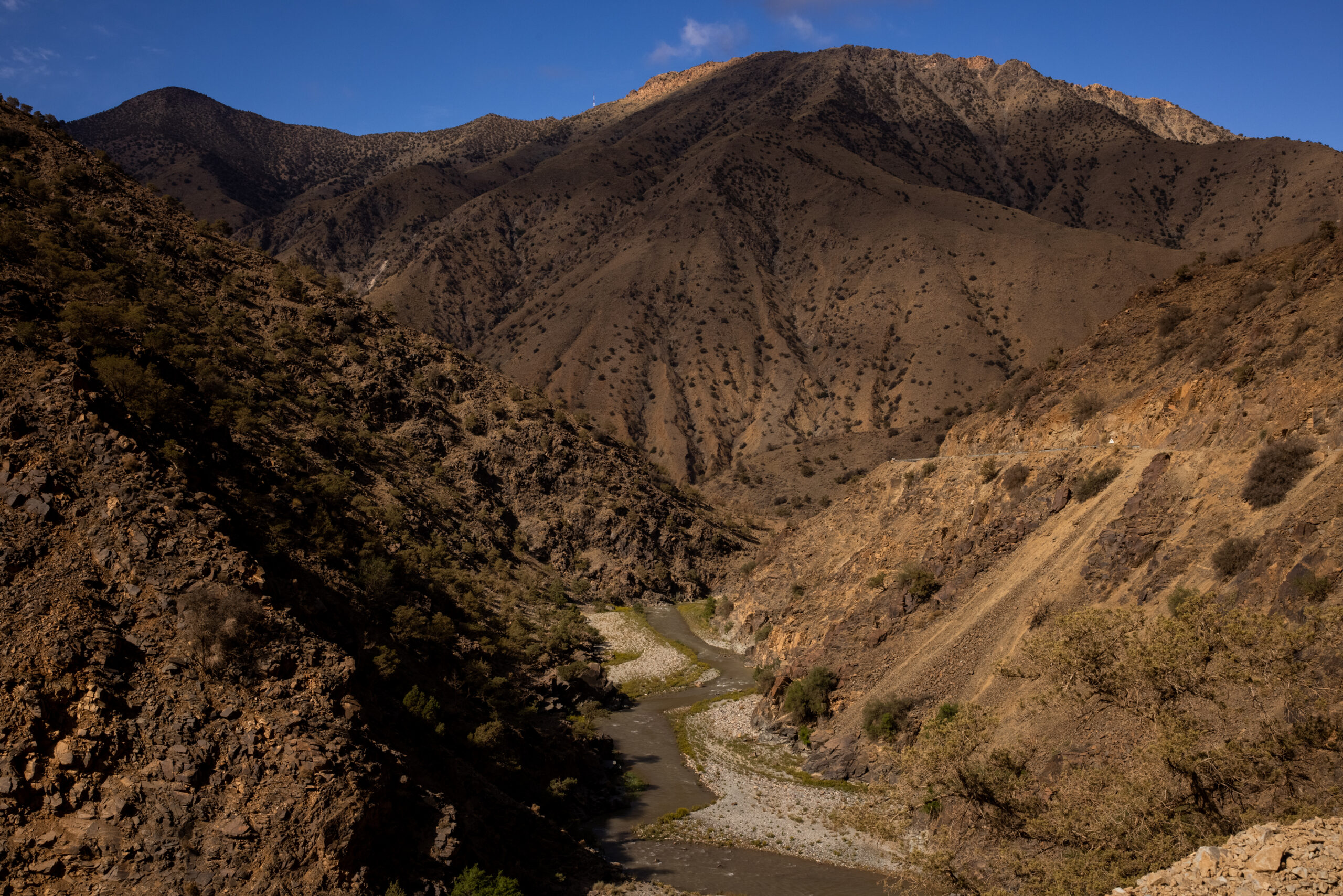
Fondation Orient-Occident, in partnership with Managem Foundation and Indian experts, implemented a program on rainwater harvesting and ecological sustainability in areas impacted by mining activities in Morocco. The initiative focused on empowering local communities to conserve water resources, protect ecosystems, and develop responsible economic activities. Drawing on Indian experience, the program aimed to improve living conditions, especially for women, while promoting inclusive and sustainable development.
OCP SKILLS
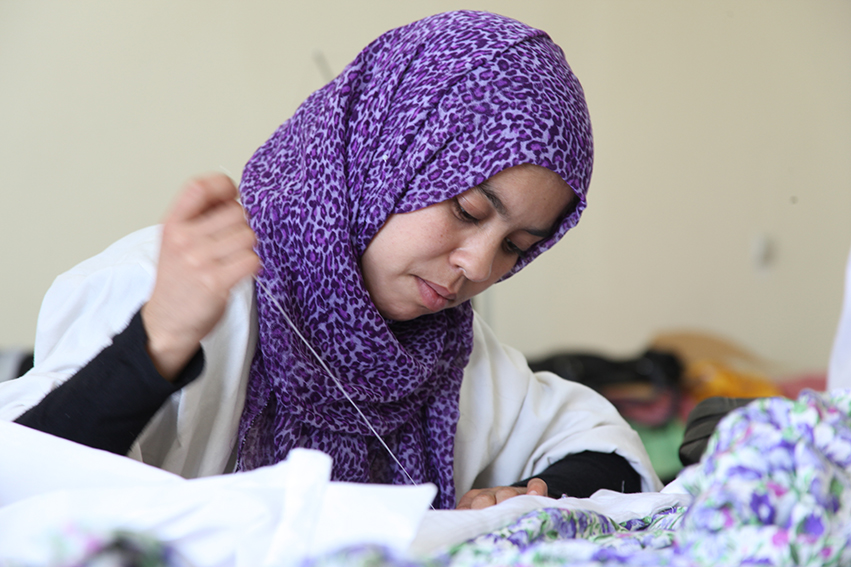
Between 2013 and 2019, Fondation Orient-Occident ran a successful training program at the Youssoufia Skills Center in partnership with OCP Group, the world leader in phosphate production. This initiative enabled over 1,200 young people to graduate and access opportunities in various professional sectors, including social care, agriculture, carpentry, and service-related trades. The project played a key role in supporting youth employability and fostering socio-economic inclusion through skills development.